DARK HISTORY TOUR
Korea’s Fight for Freedom at Seodaemun Prison
Step inside one of the darkest chapters of Korea’s modern history. Walk from Independence Gate to the cells of Seodaemun Prison as we trace the stories of imperialism, occupation, resistance, and the people who risked it all in the fight for freedom.
Duration
2-3 Hours
Language
English
Walking Difficulty
Easy
Ideal For
Older Teens & Adults
Meeting Point
Dongnimmun Station (Exit 4)
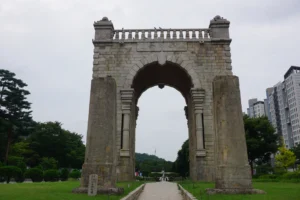
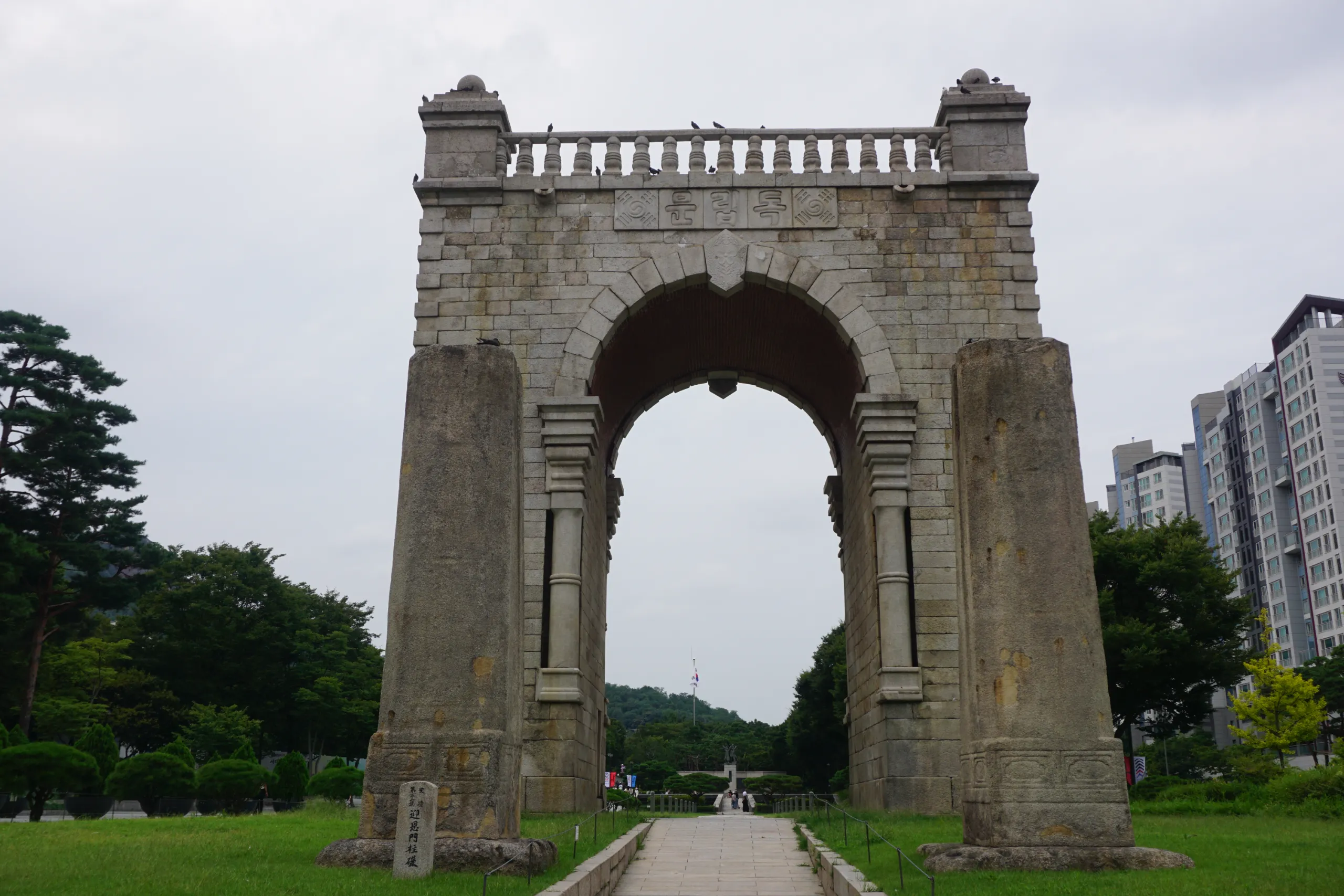
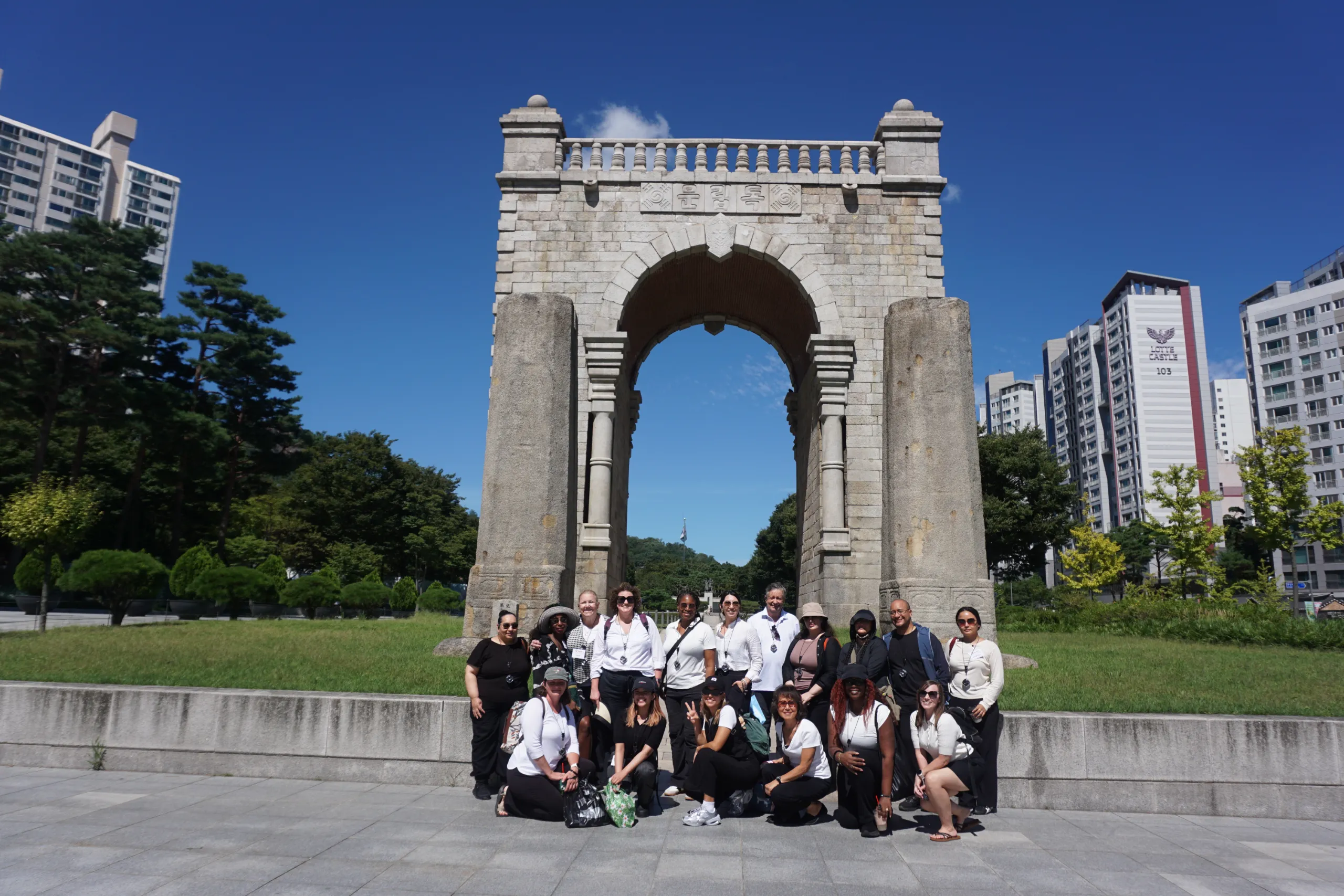
When visitors see Dongnimmun or Independence Gate, they often assume that it commemorates Korea’s independence from Japan. It does not. Completed in 1897, the gate symbolized Korea’s break from its centuries-old tributary relationship with China. But Korea’s sovereignty would soon face a very different threat.
As imperial powers completed for influence across Asia, Japan emerged as a major power in the region. Its takeover of Korea did not begin with annexation in 1910. In 1876, it forced Korea to sign the Ganghwa Treaty, an unequal treaty that opened Korea to Japanese trade and expanded Japan’s presence on the peninsula.
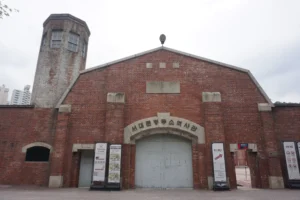
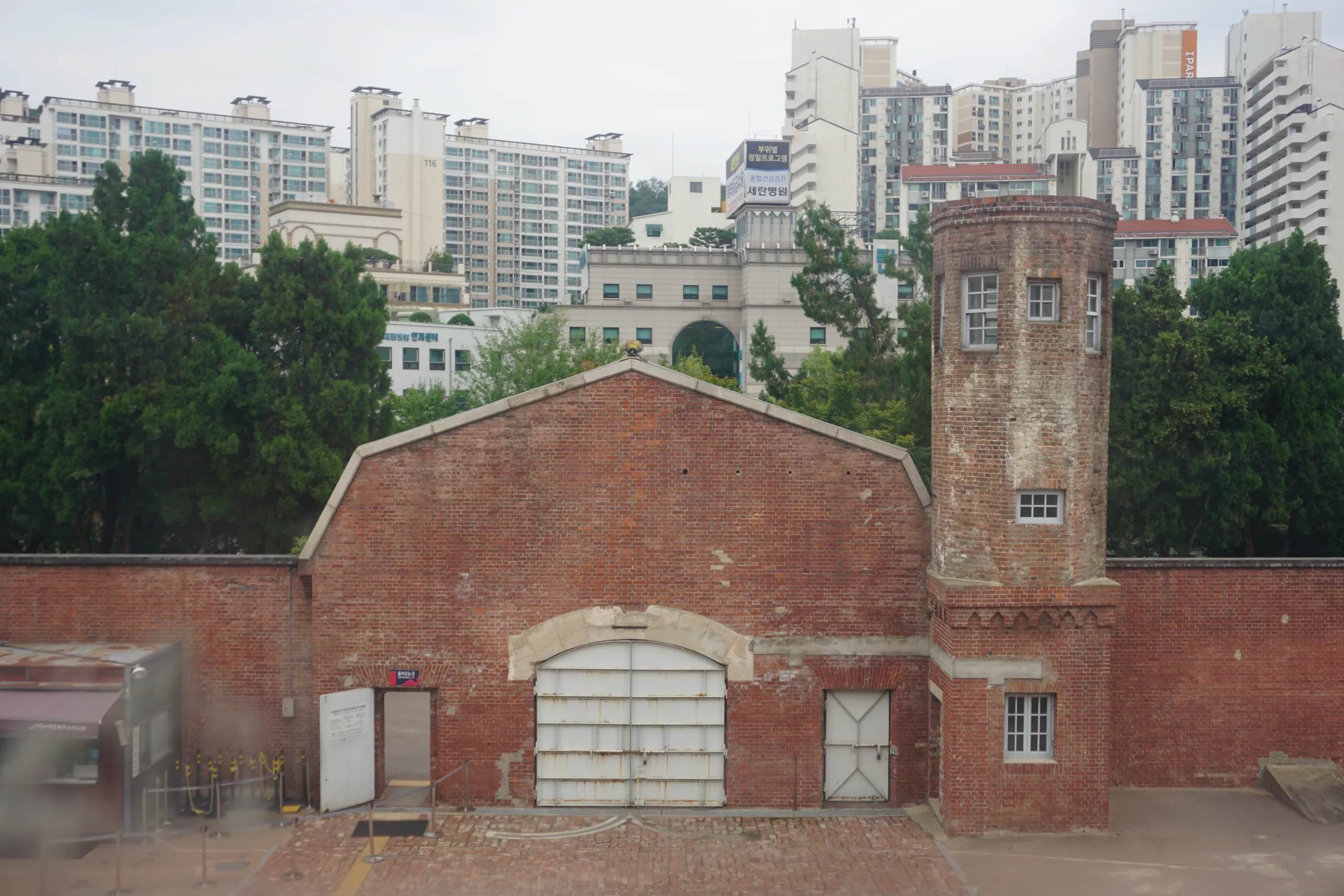
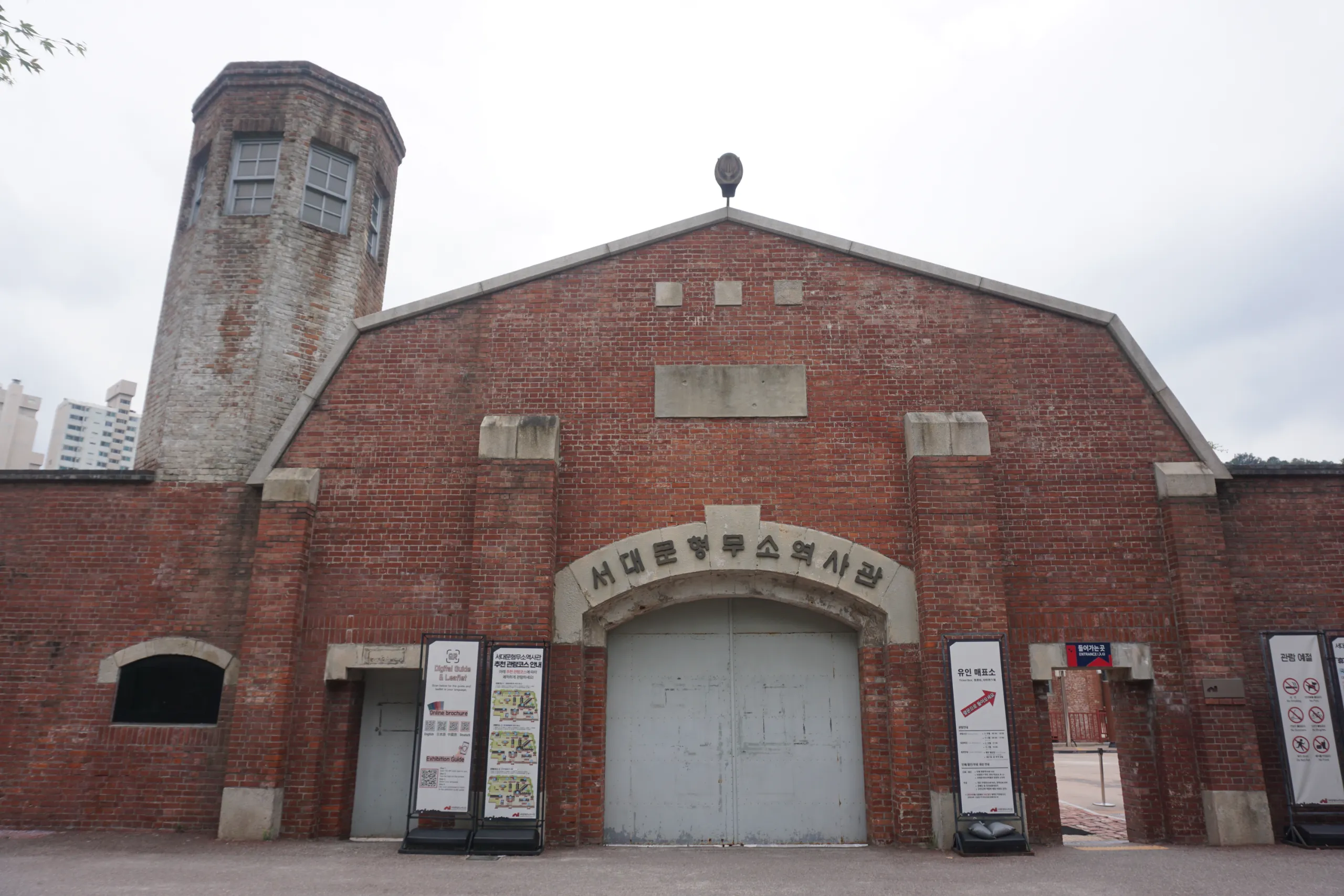
By 1905, Japan had forced Korea to sign the Eulsa Treaty, stripping the country of its diplomatic sovereignty and making it a Japanese protectorate. Three years later, Gyeongseong Prison opened just steps from Independence Gate. Its purpose was no coincidence: the prison was established in part to incarcerate Koreans resisting Japan’s growing control over their country. The symbolism of its location is difficult to ignore.
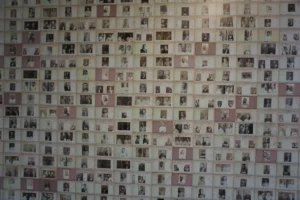
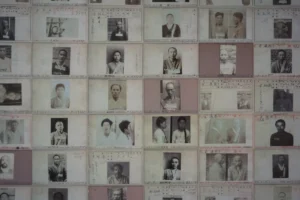
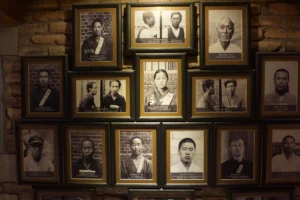
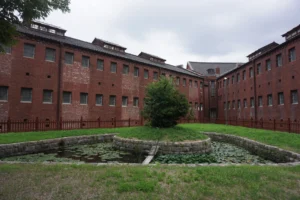
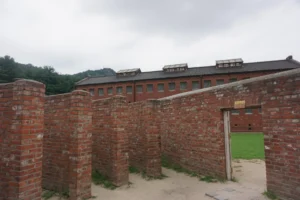
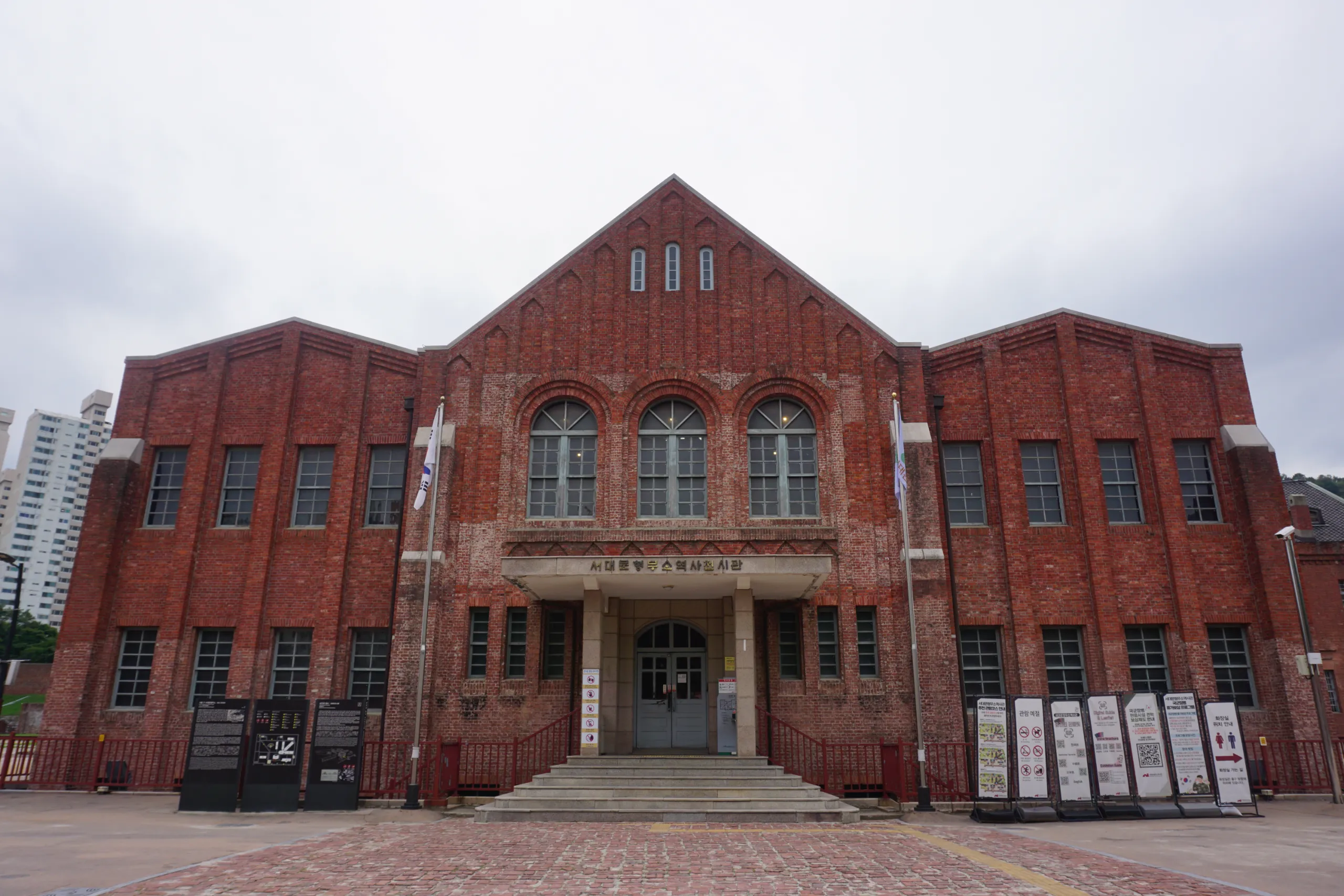
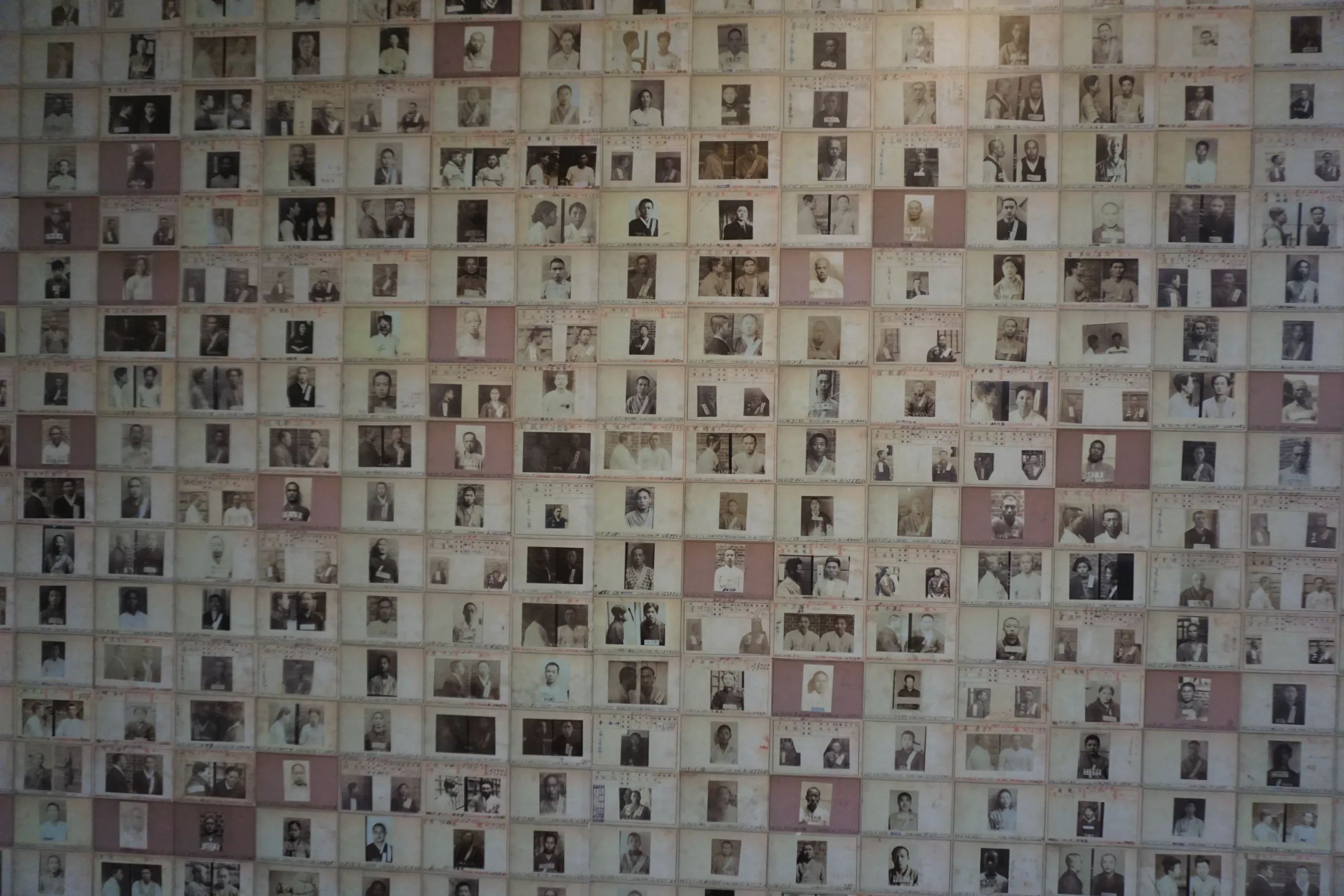
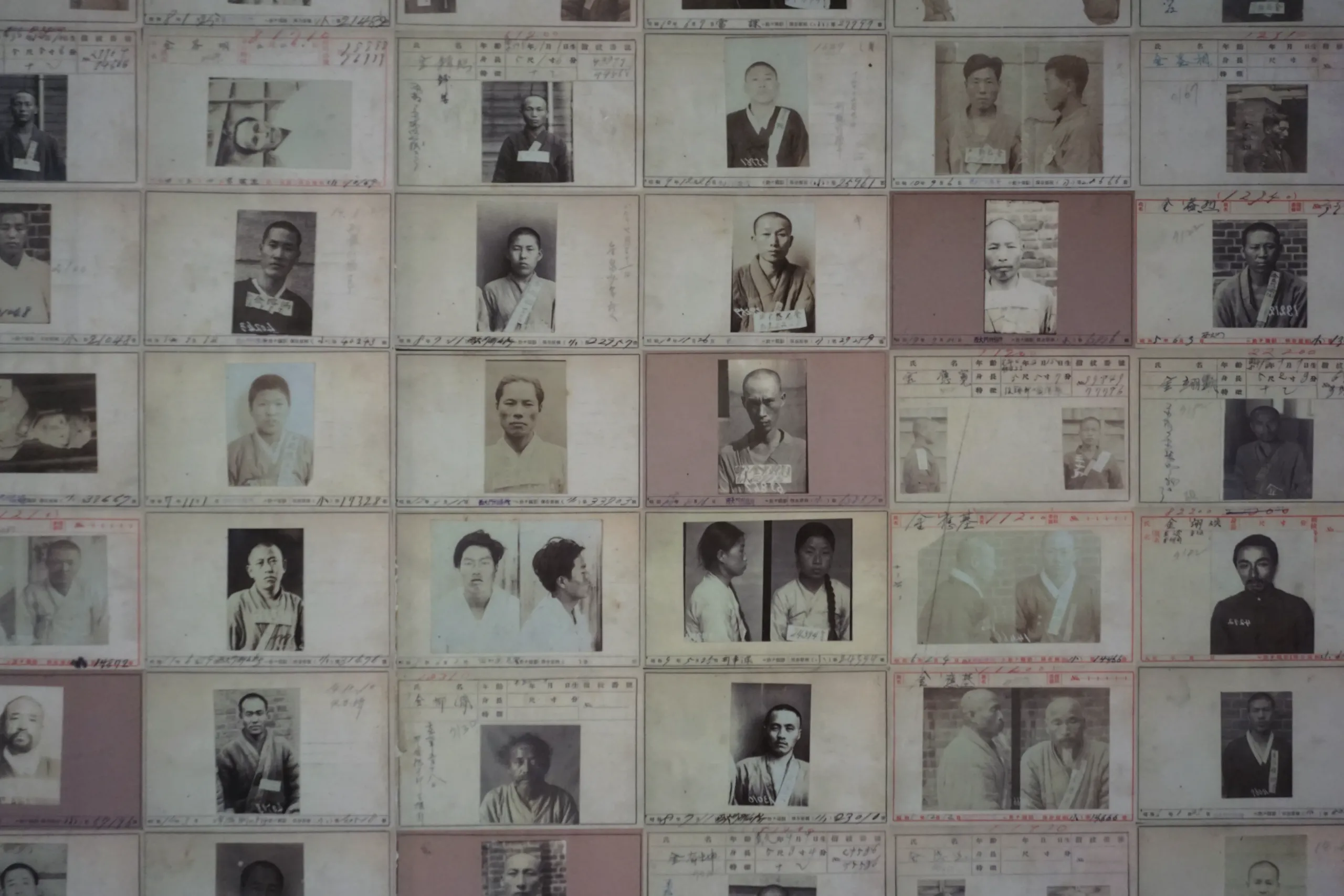
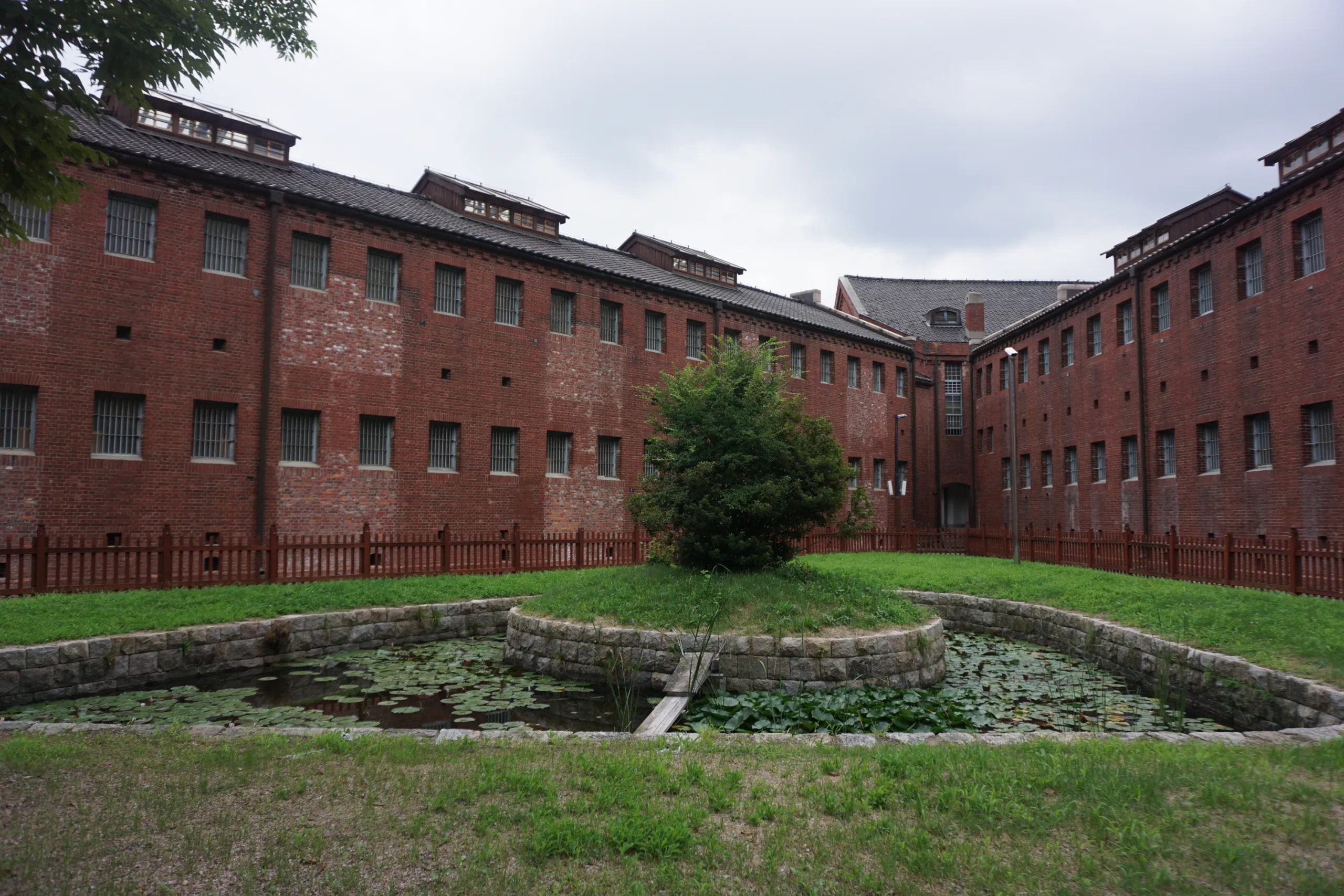
Over the decades that followed, the prison, later renamed Seodaemun Prison, became one of the most important sites of Japanese colonial repression. Thousands of independence activists passed through its cells, particularly following the March First Movement of 1919. They were interrogated, tortured, imprisoned, and often executed for resisting colonial rule.
But resistance took many forms and their stories reveal how students, workers, religious leaders, intellectuals, and ordinary Koreans participated in the struggle for independence.
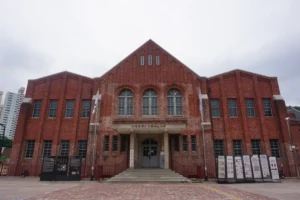
On this tour, we’ll walk from Independence Gate into the former prison to trace Korea’s loss of sovereignty, the growth of the independence movement, and the lives of those who resisted Japanese rule. Through their stories, we’ll examine what resistance looked like, what it could cost, and how Korea remembers those who fought for its freedom today.
Tour Highlights
- Explore how the age of imperialism and industrial revolution reshaped East Asia and set the stage for Japan’s colonization of Korea.
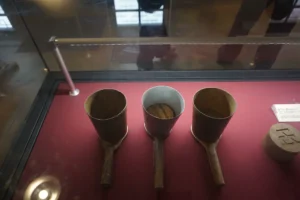
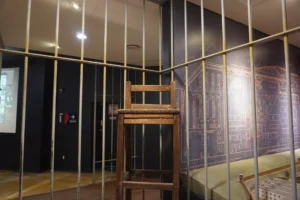
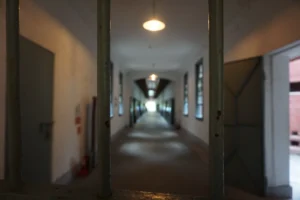
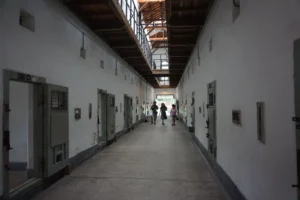
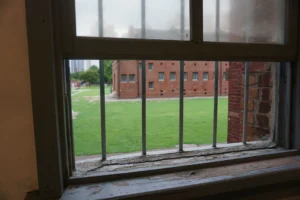
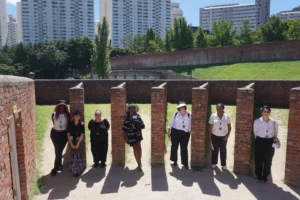
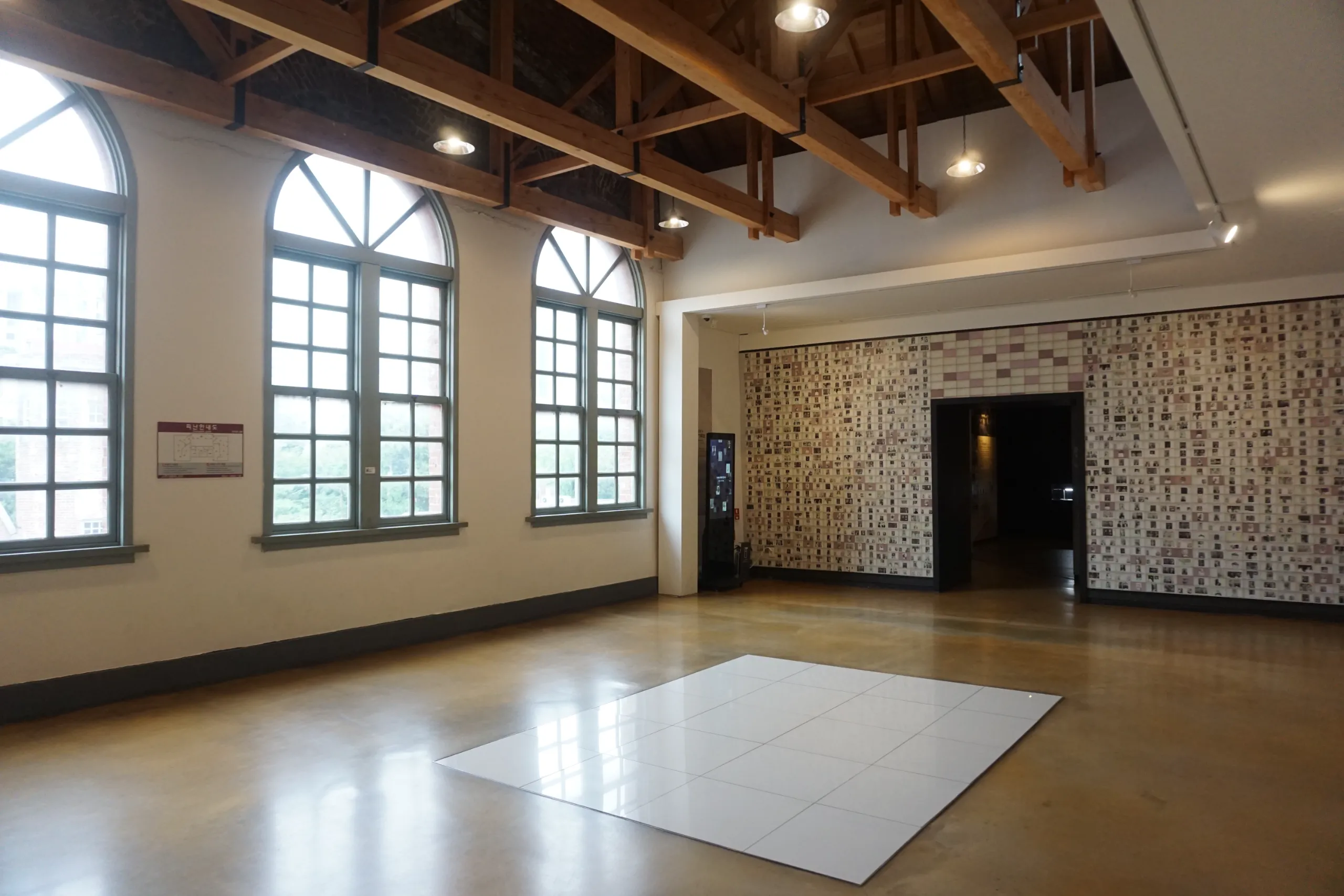
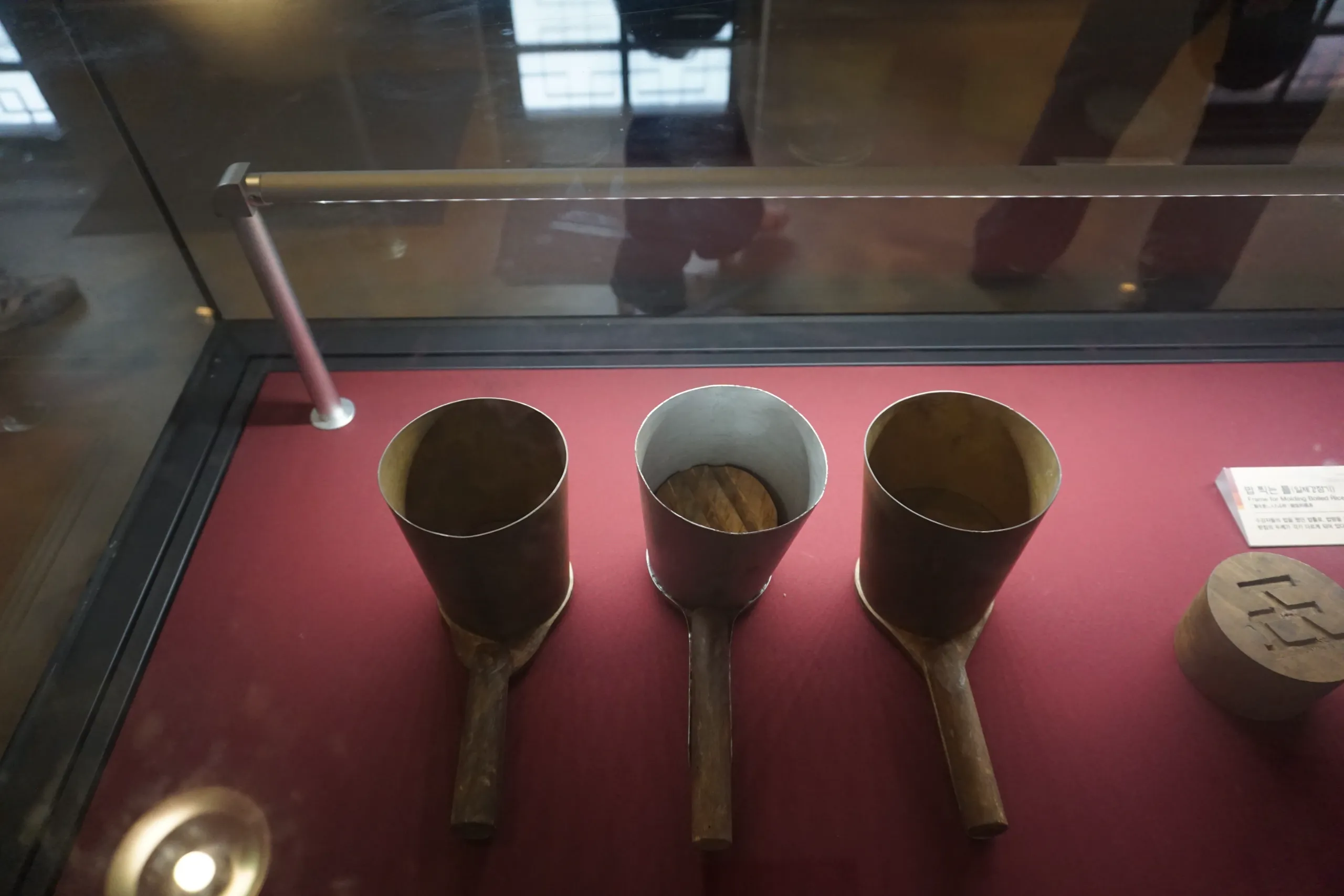
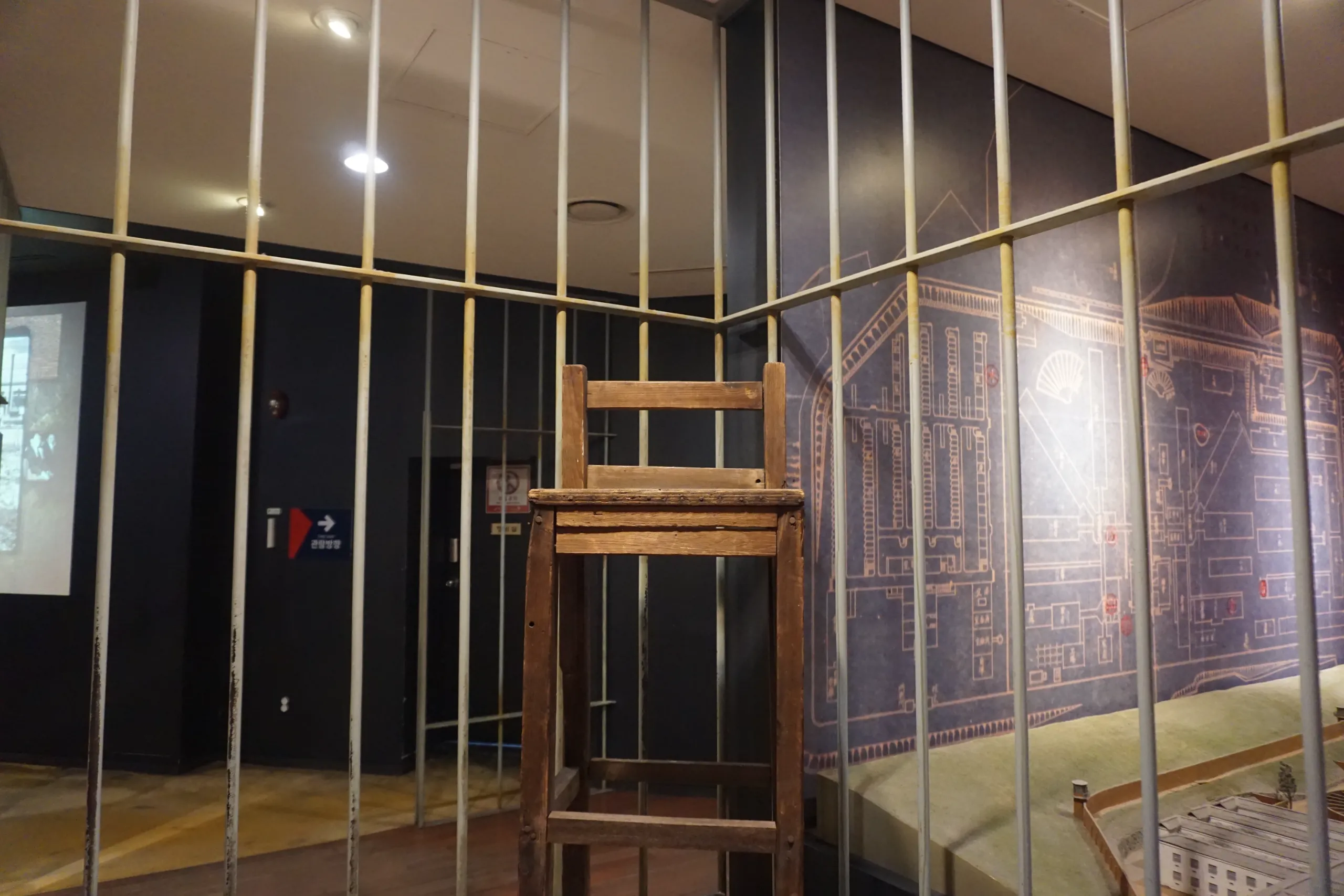
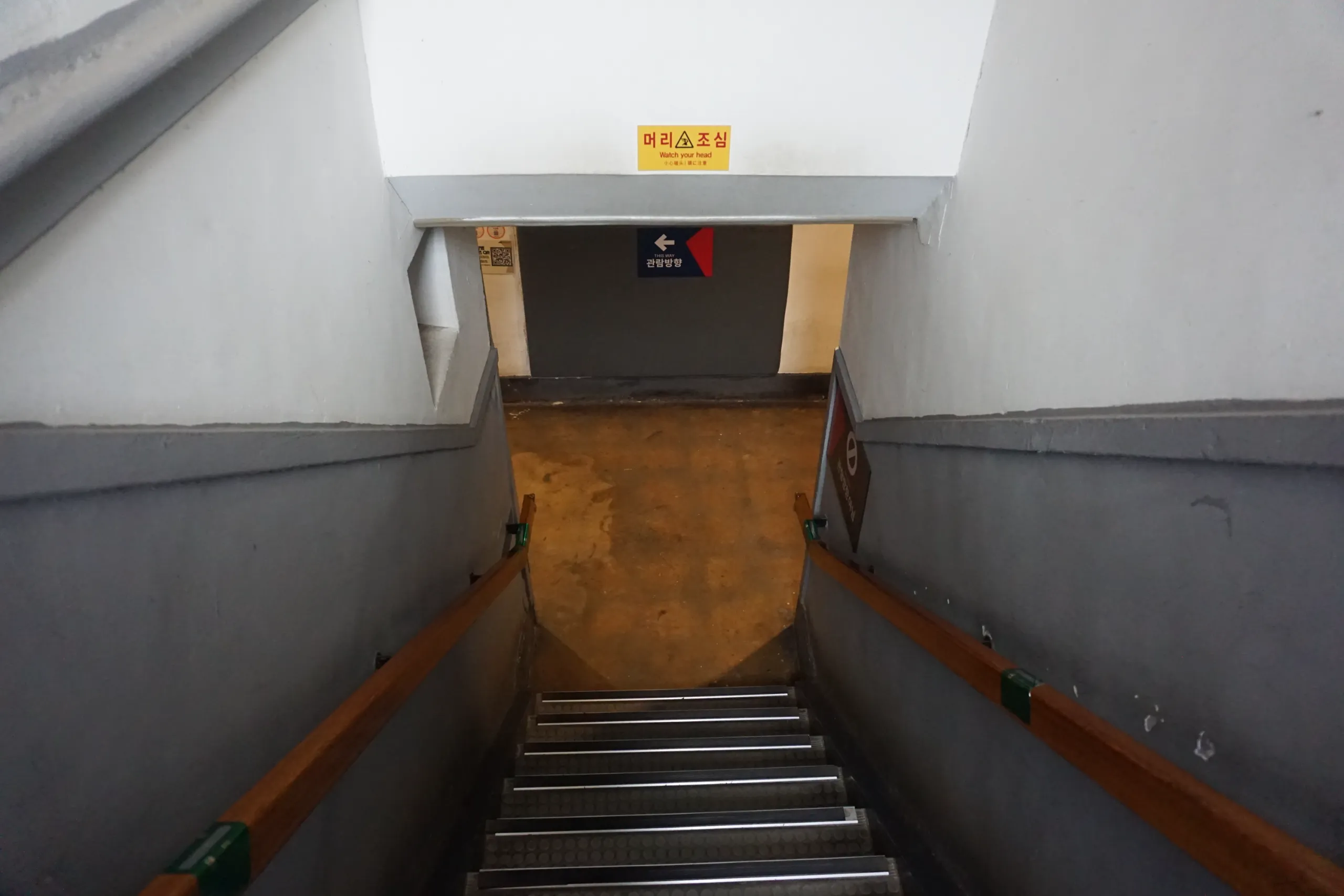
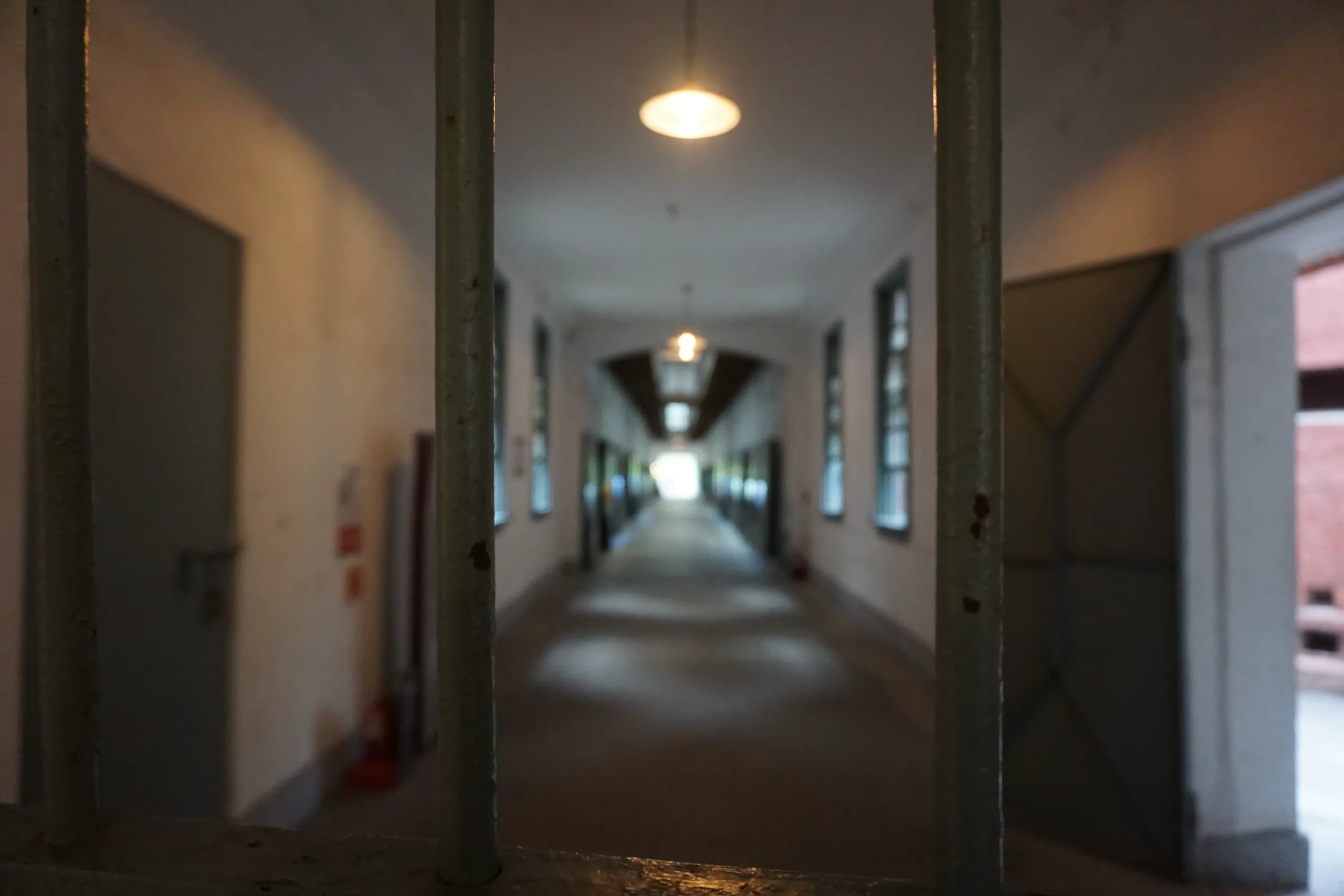
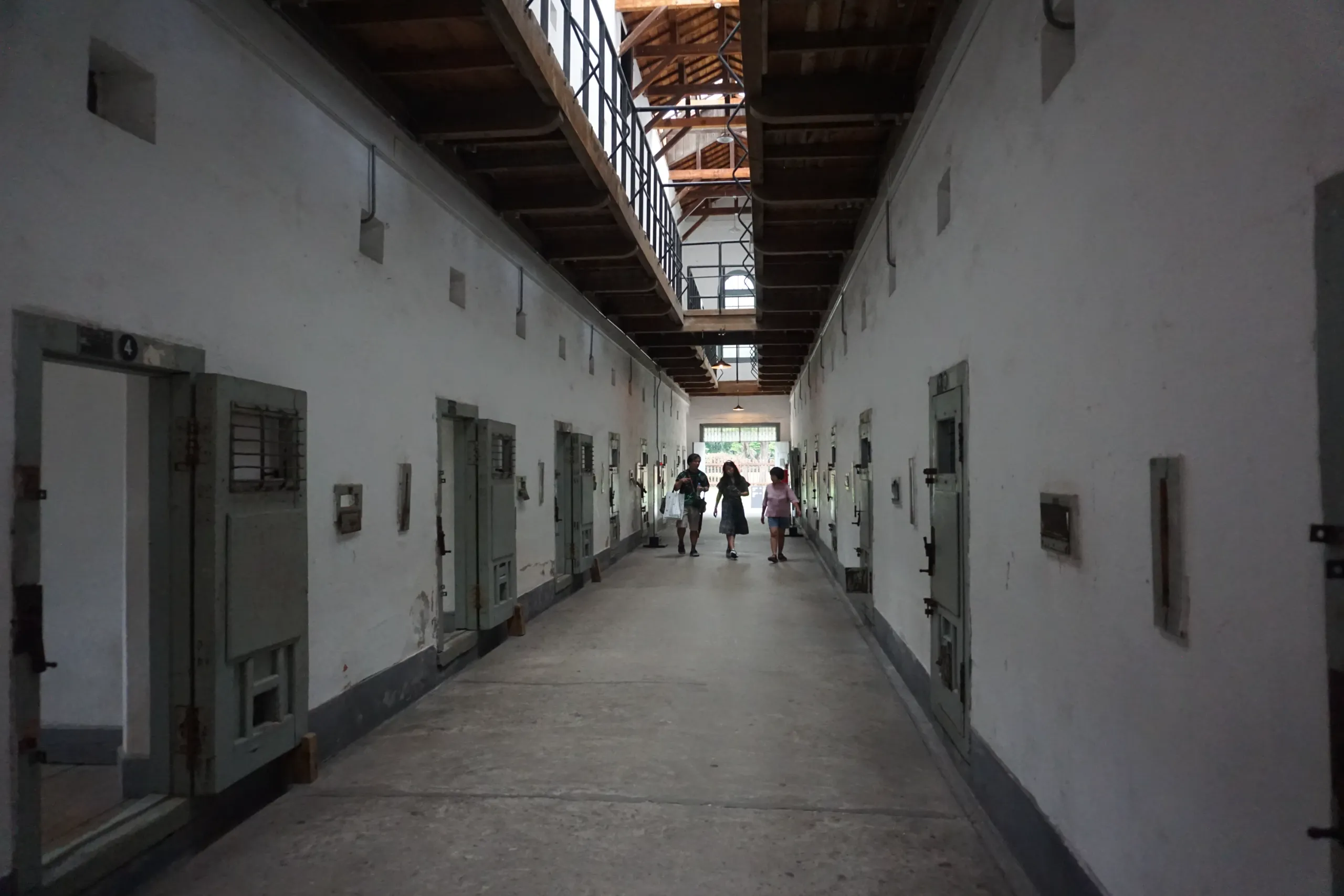
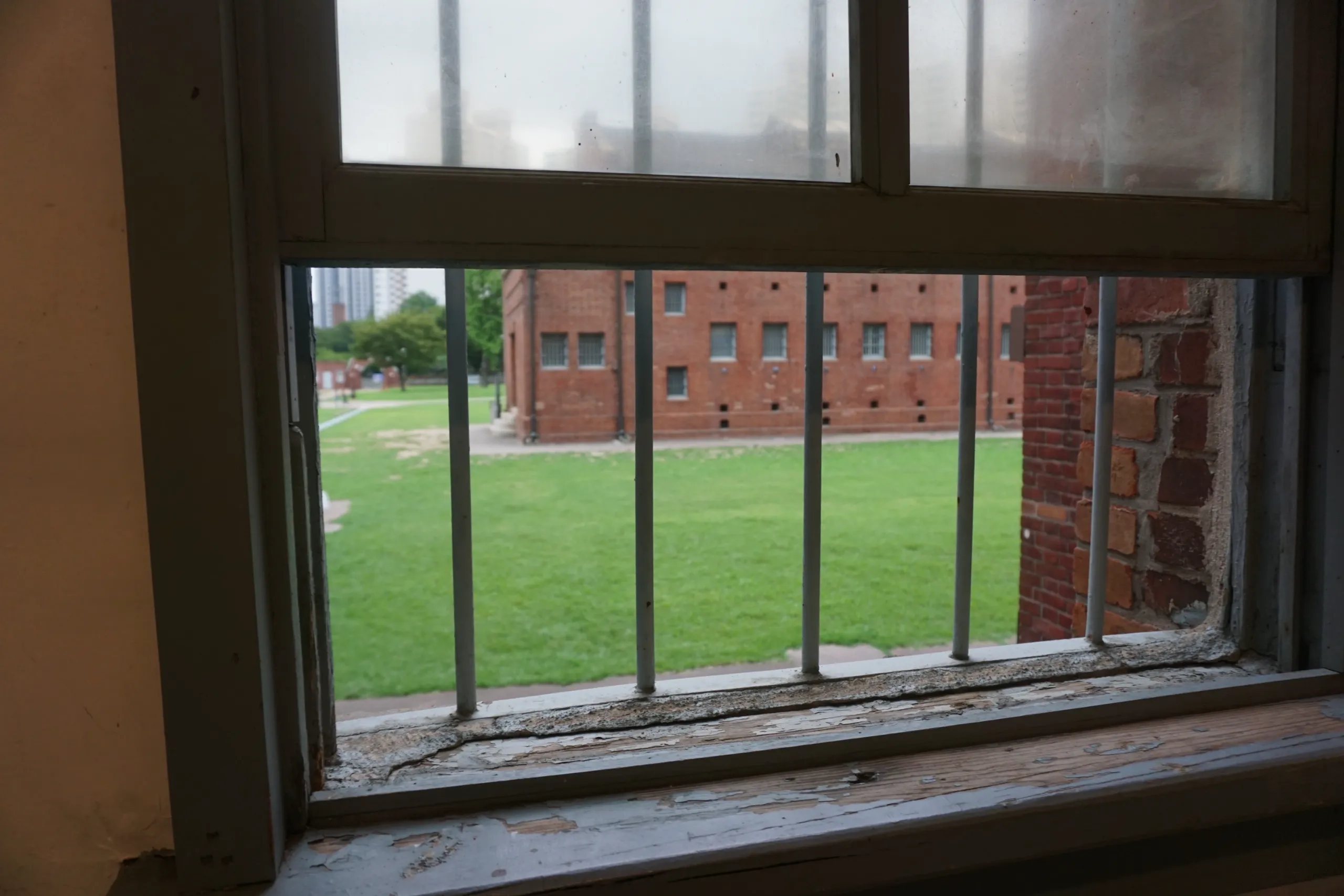
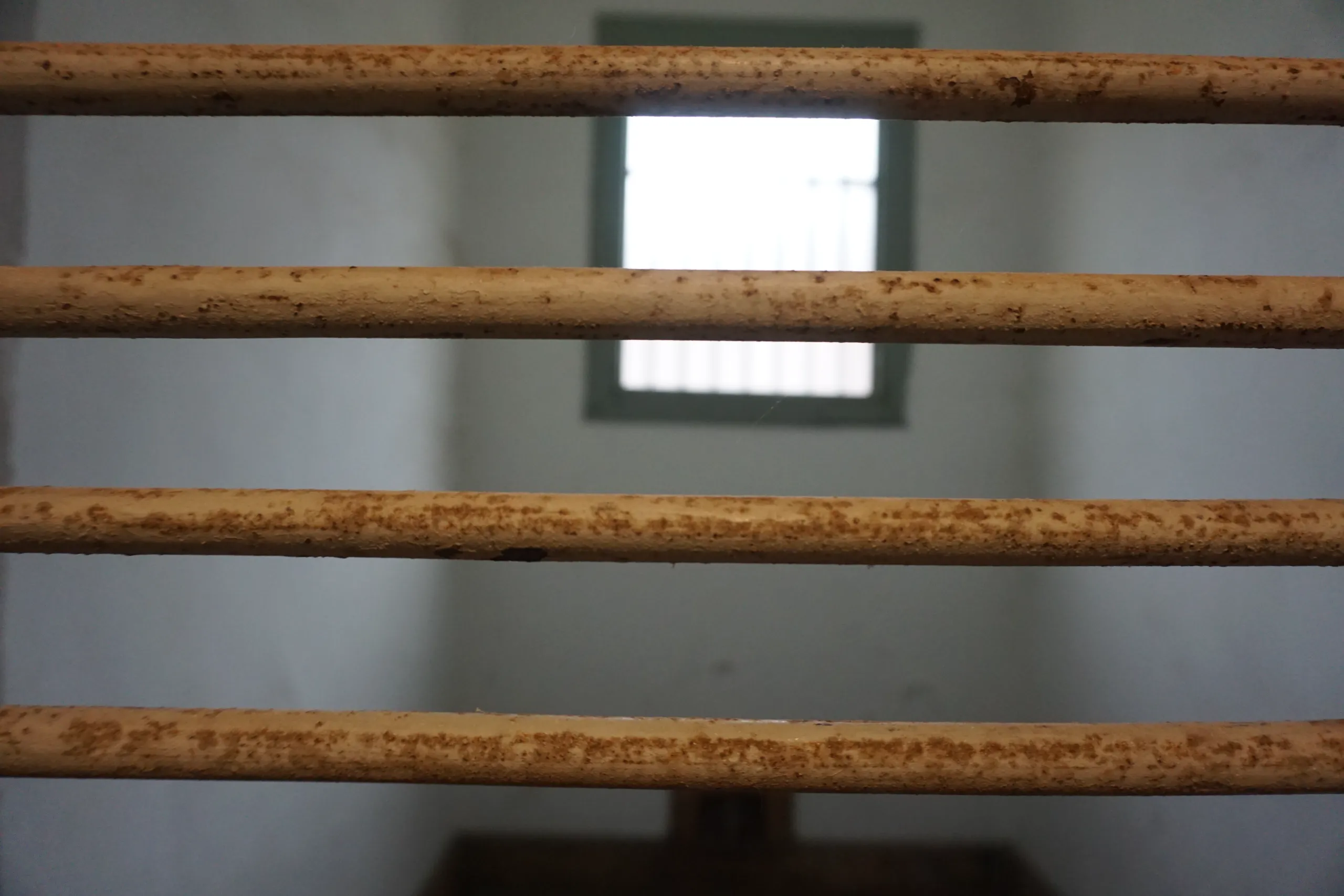
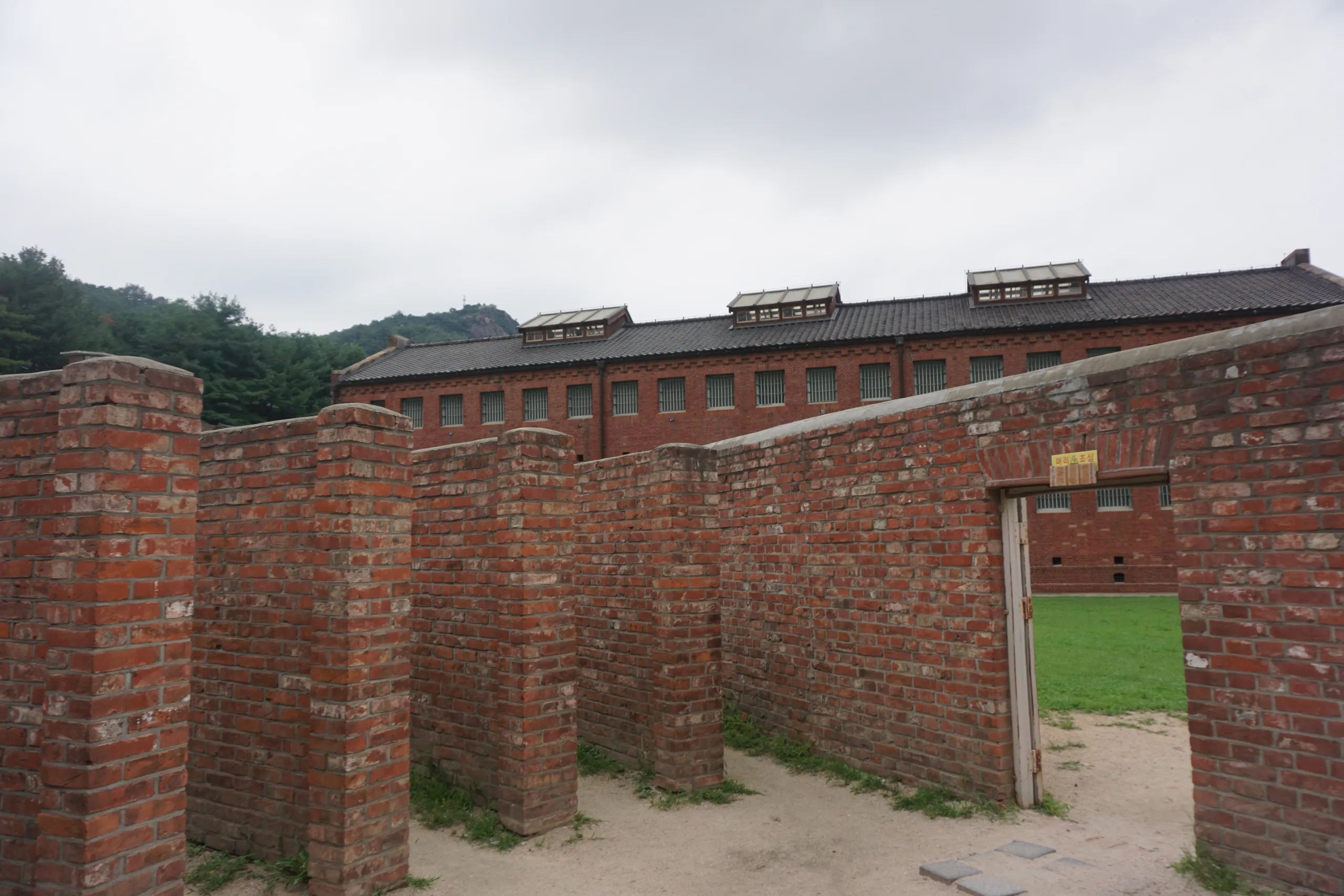
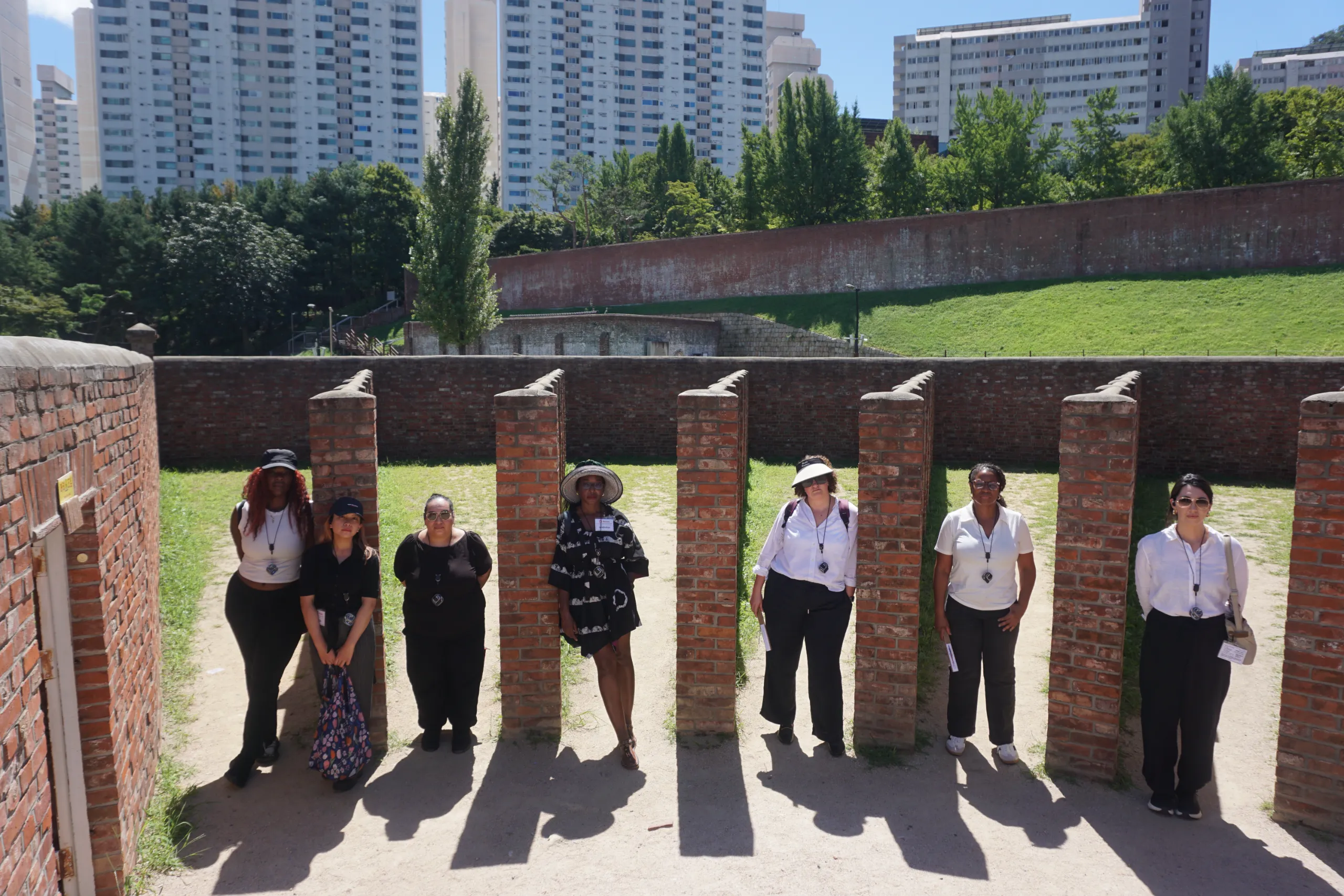
- Walk through the former cell blocks, interrogation spaces, and execution grounds of Seodaemun Prison and learn about the realities faced by these imprisoned there.
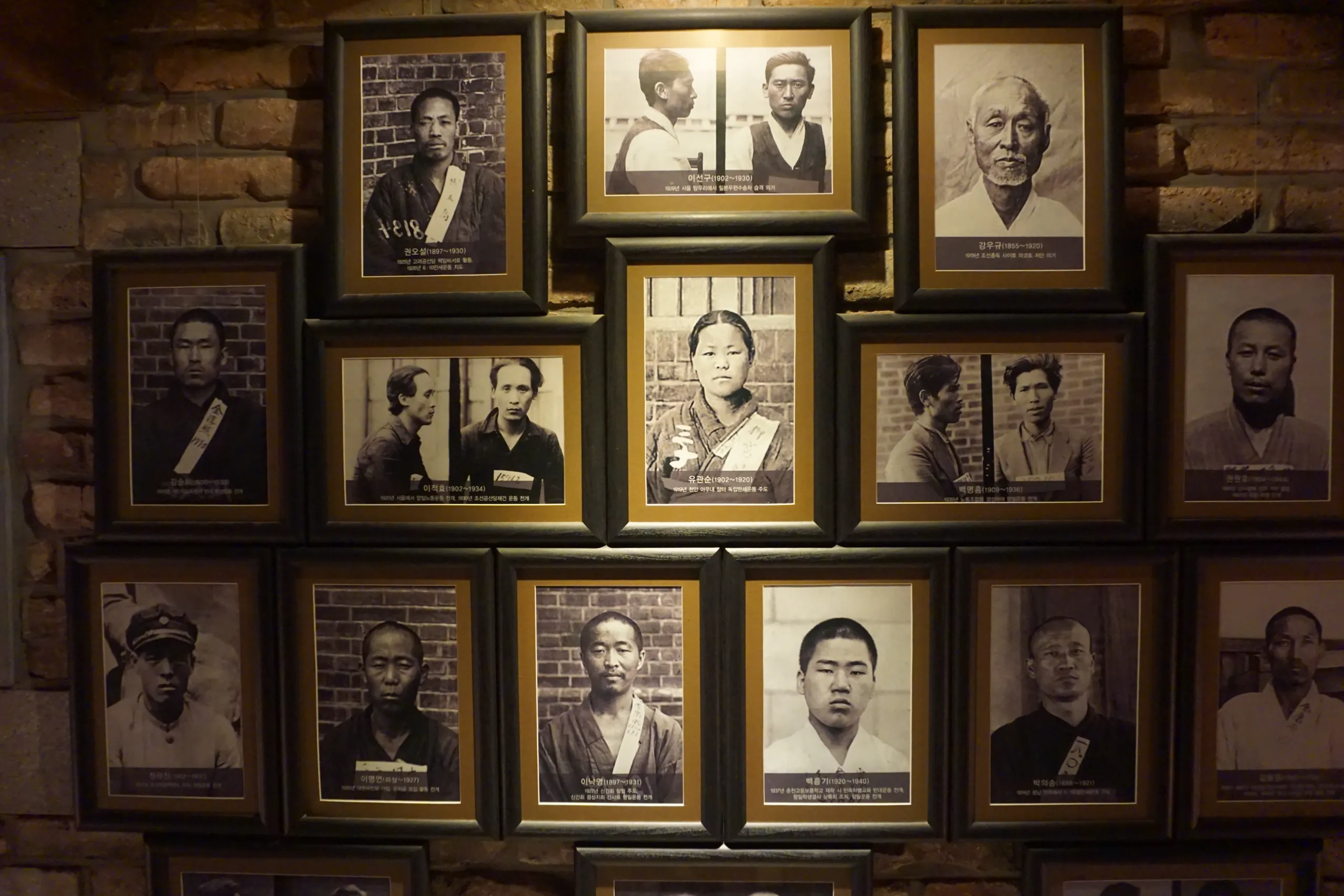
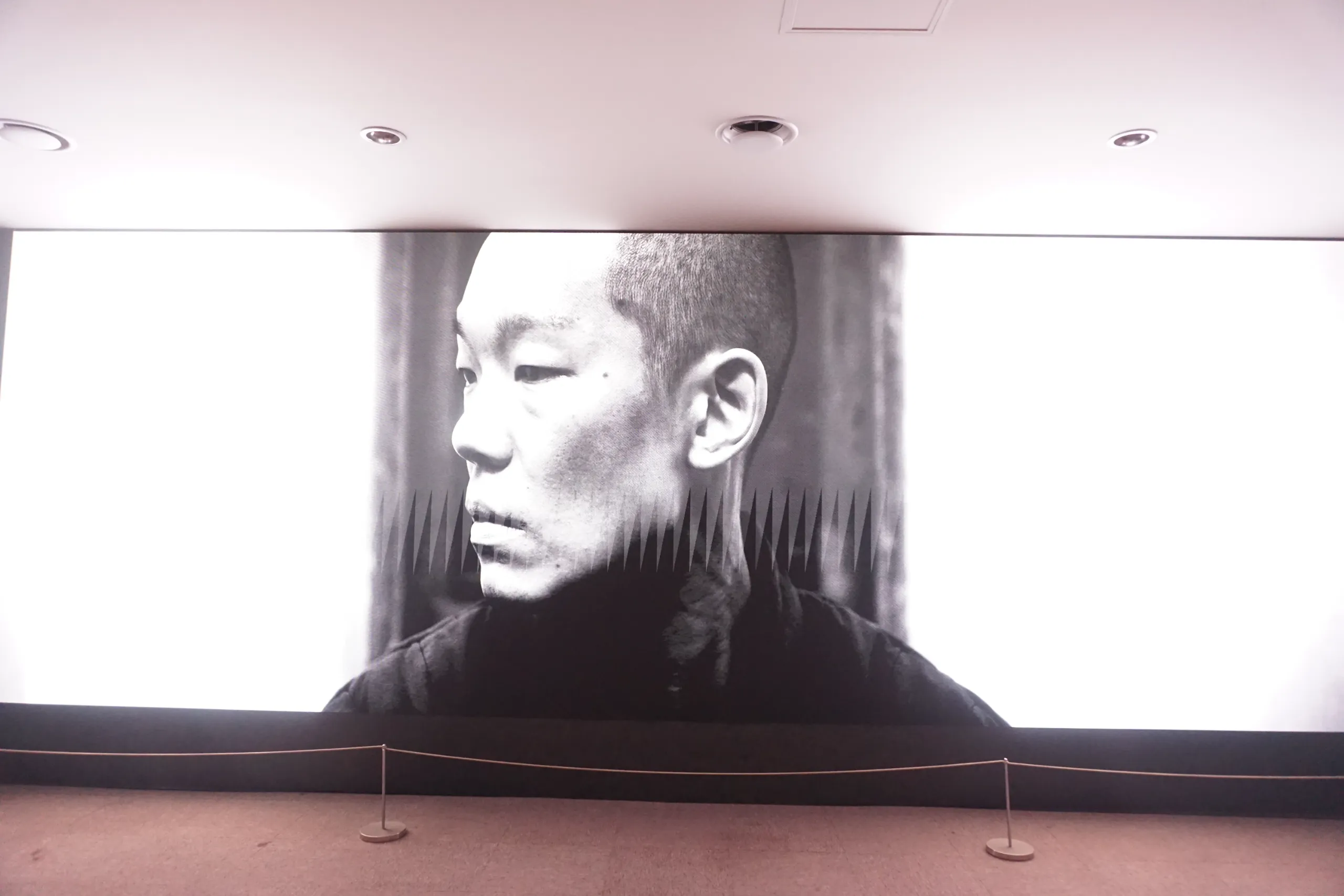
- Follow the stories of independence activists who resisted colonial rule and continued to fight for freedom inside the prison.
- Any many more stories…
Inclusions
Exclusions


Reviews


Frequently Asked Questions (FAQs)
Where do we meet?
Our meeting point is in front of Exit 4 of Dongnimmun Station on the Seoul subway. Please contact your assigned guide directly if you encounter any issues finding the meeting spot. The contact information will be provided before the tour.
How much walking is involved?
This is an easy-paced indoor walking tour lasting 2-3 hours. Most guests will find it comfortable, with opportunities to pause throughout the experience.
Is this tour suitable for children?
This tour is designed primarily for older teens and adults with an interest in learning more about Korean history. While no prior knowledge is required, the experience includes thoughtful discussions of history, politics, etc. Younger children are welcome, but may find the content less engaging.
Can I buy food and drinks at the prison?
There is a convenience store right outside the prison where food and drinks may be purchased. However, they may not be consumed inside.