SEOUL PALACE TOUR
Explore Korean Philosophy at Gyeongbokgung Palace
Join a guided exploration of the main palace of early Joseon and discover how Korean Confucianism, Buddhism, Daoism, and folk beliefs shaped and continue to echo through Korean life today.
Duration
3 Hours
Language
English
Walking Difficulty
Easy
Ideal For
Older Teens & Adults
Meeting Point
National Palace Museum Entrance
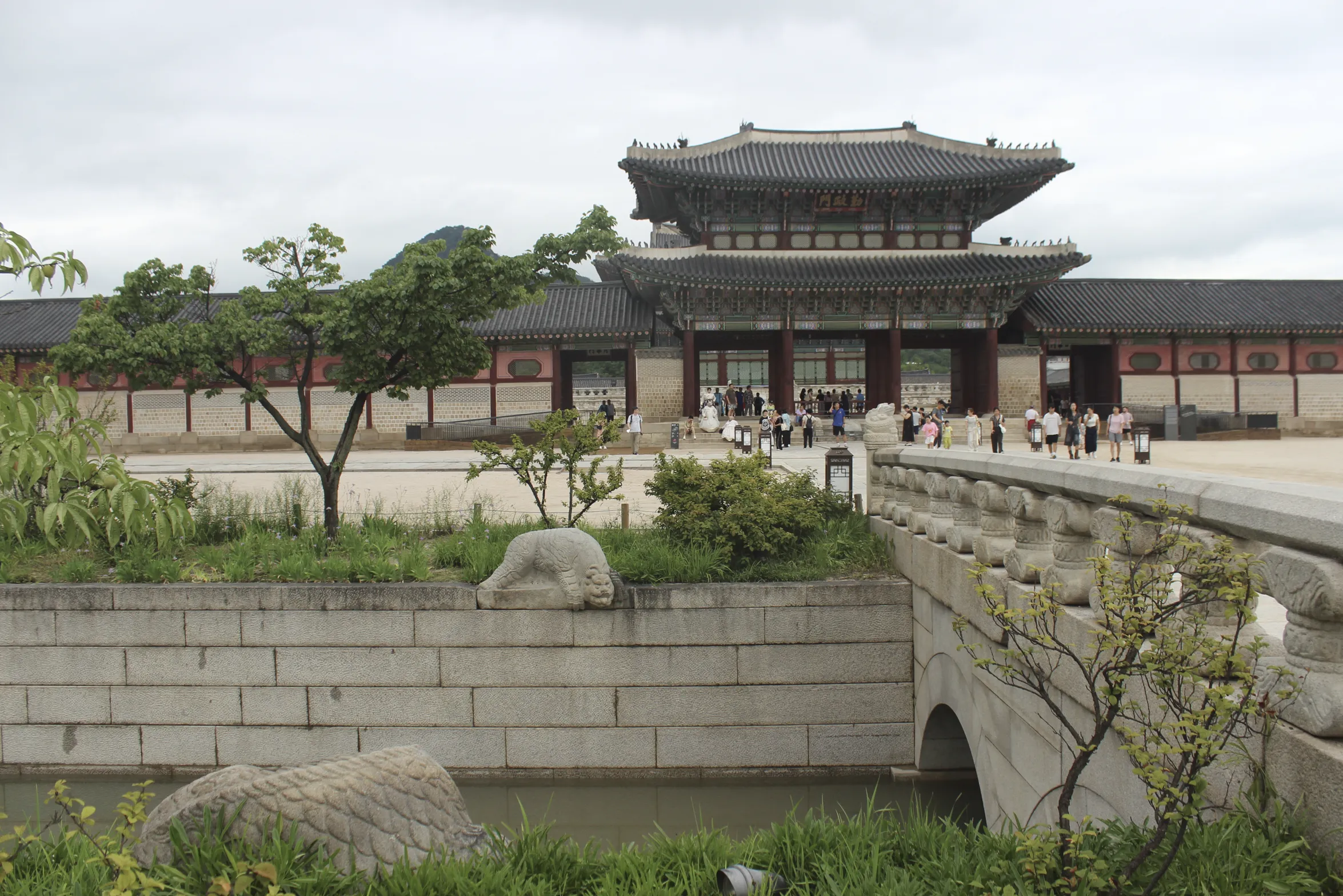
There’s a saying: when you pour new wine, you need a new cup. For King Taejo of Joseon and his ministers, especially his brilliant strategist Jeong Do-jeon, that new cup was Hanyang, now Seoul, and at its heart, Gyeongbokgung Palace.
Having overthrown the Goryeo dynasty and established Neo-Confucianism as the state ideology, they envisioned not just a new kingdom and a new capital, but an entirely new political and moral order.
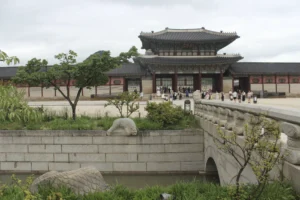
Gyeongbokgung is not just a palace, but the embodiment of that vision. It was designed as both a physical and symbolic center of a new society, where architecture, ritual, and philosophy align. Even its name reflects this aspiration, meaning “may great blessings be bestowed upon you and your descendants,” a hope for enduring prosperity, longevity, and legitimacy.
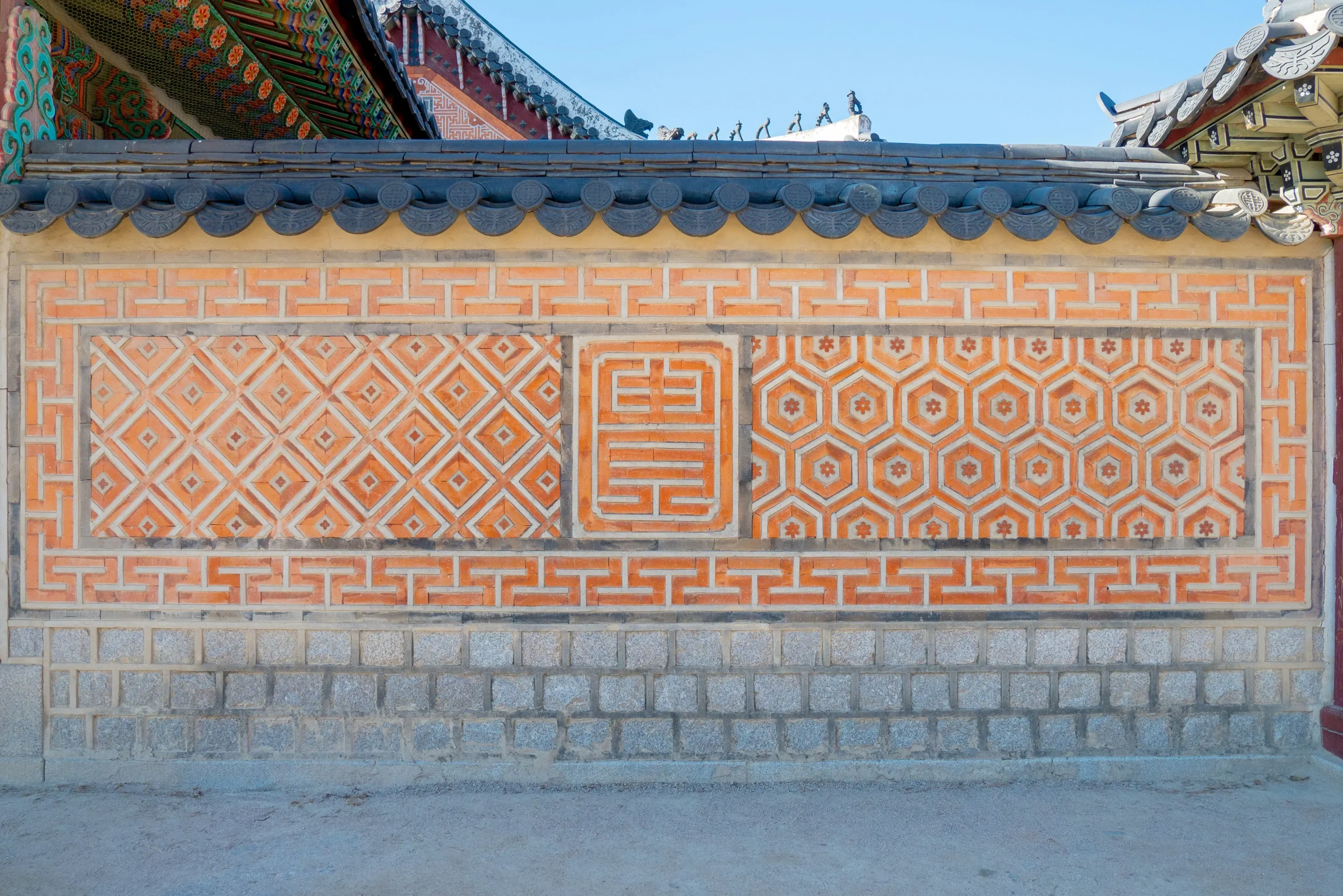
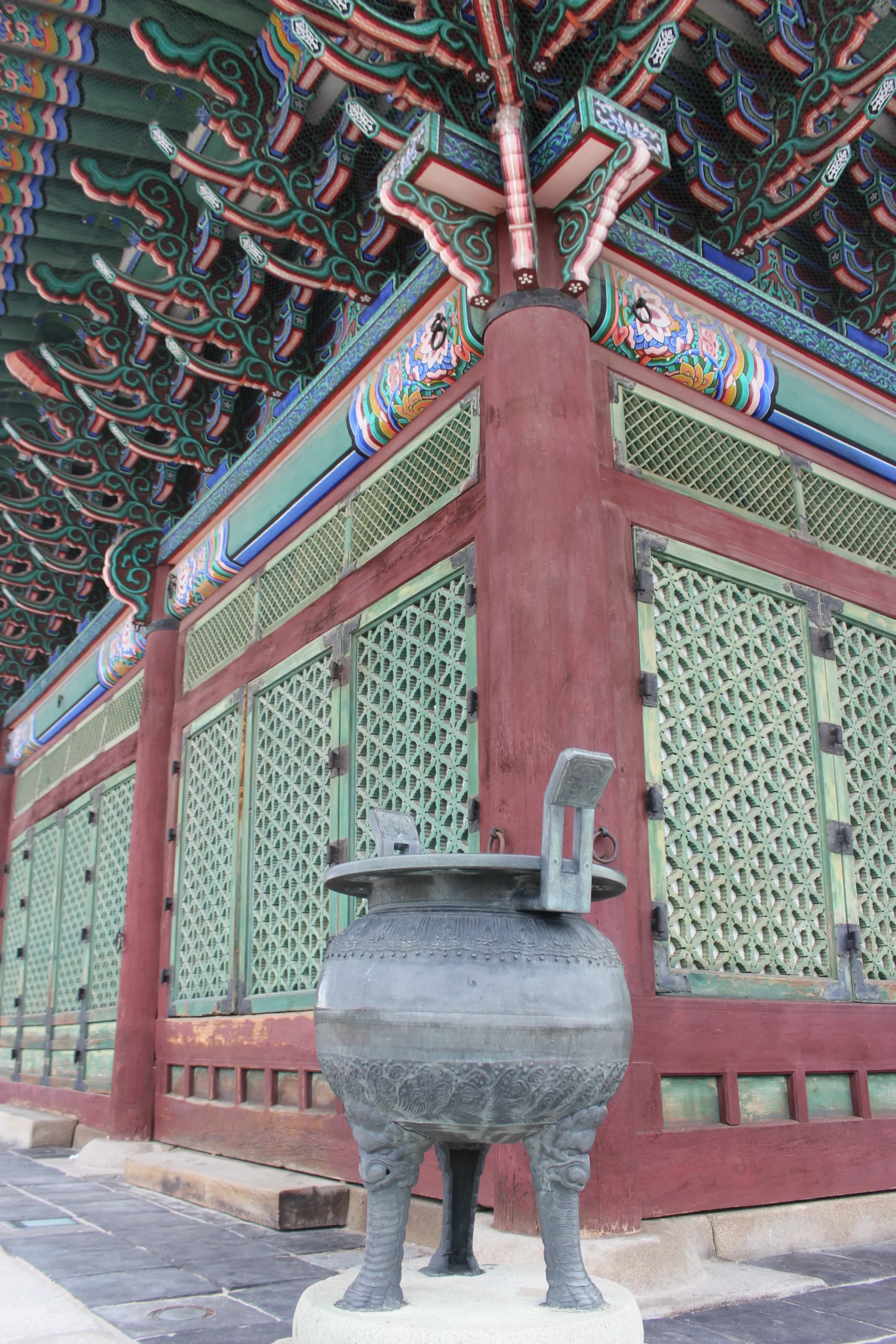
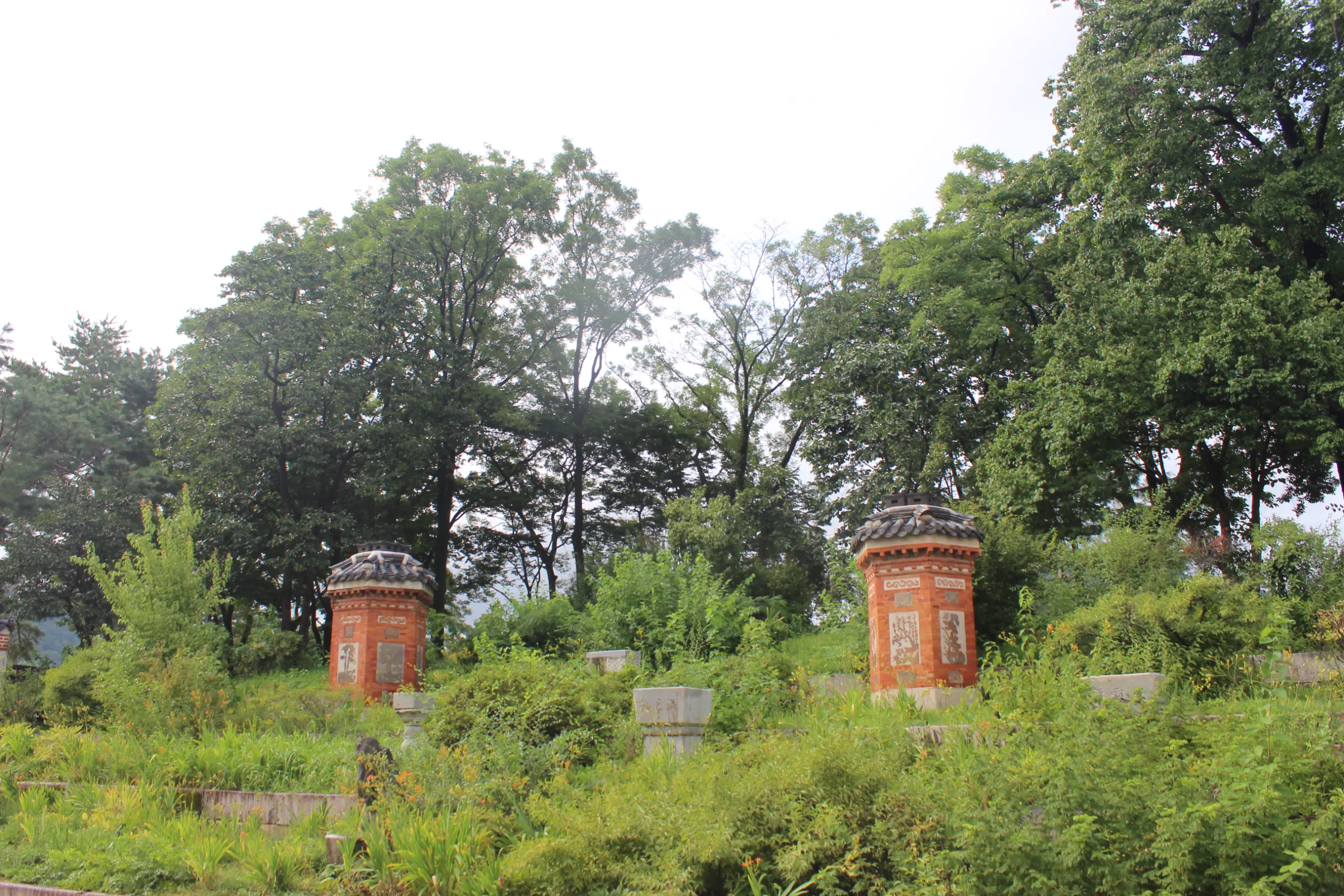
But a new cup does not erase thousands of years of history and belief. While Confucianism came to the forefront of Joseon society, influences of Buddhism, Daoism, Shamanism, and other folk traditions remain embedded in the palace’s architecture and details. In many ways, Gyeongbokgung is a microcosm of Korean society. History continues to echo through its halls, and the stories of those who lived and ruled here still offer insight into Korea today.
Join a licensed heritage guide on a journey through Gyeongbokgung Palace, focusing on a period when the palace was most alive with the ambitions of those who built it.
Tour Highlights
- Geomancy and the making of Joseon: Learn why Gyeongbokgung was said to be East Asia’s most auspicious site.
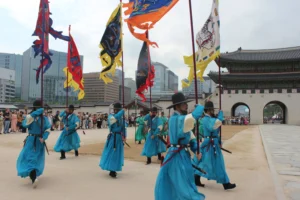
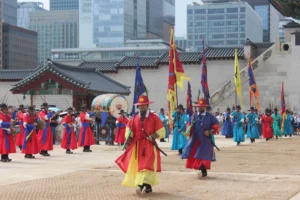
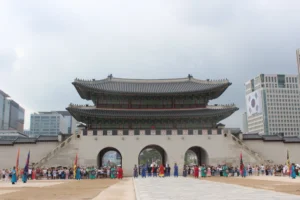
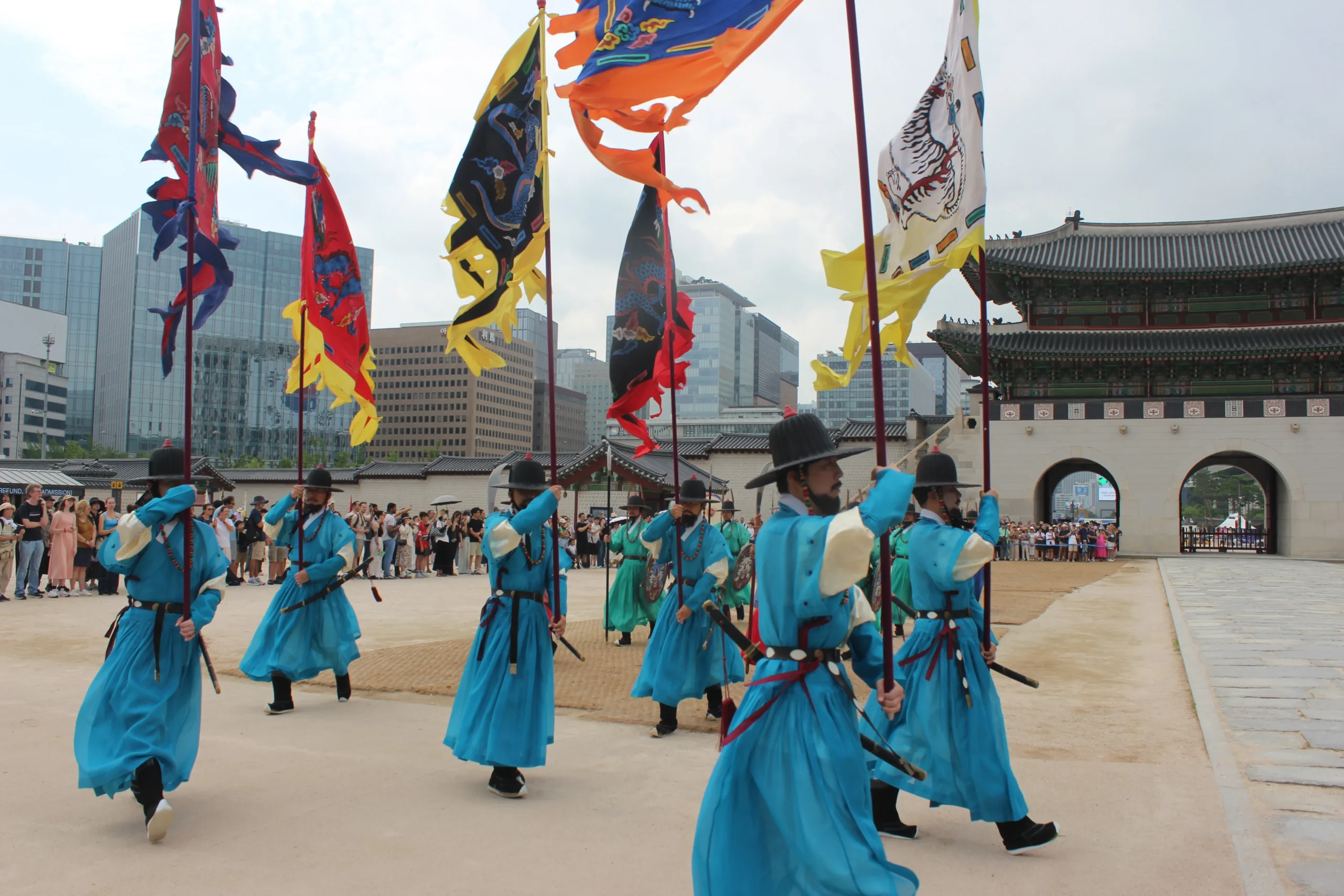
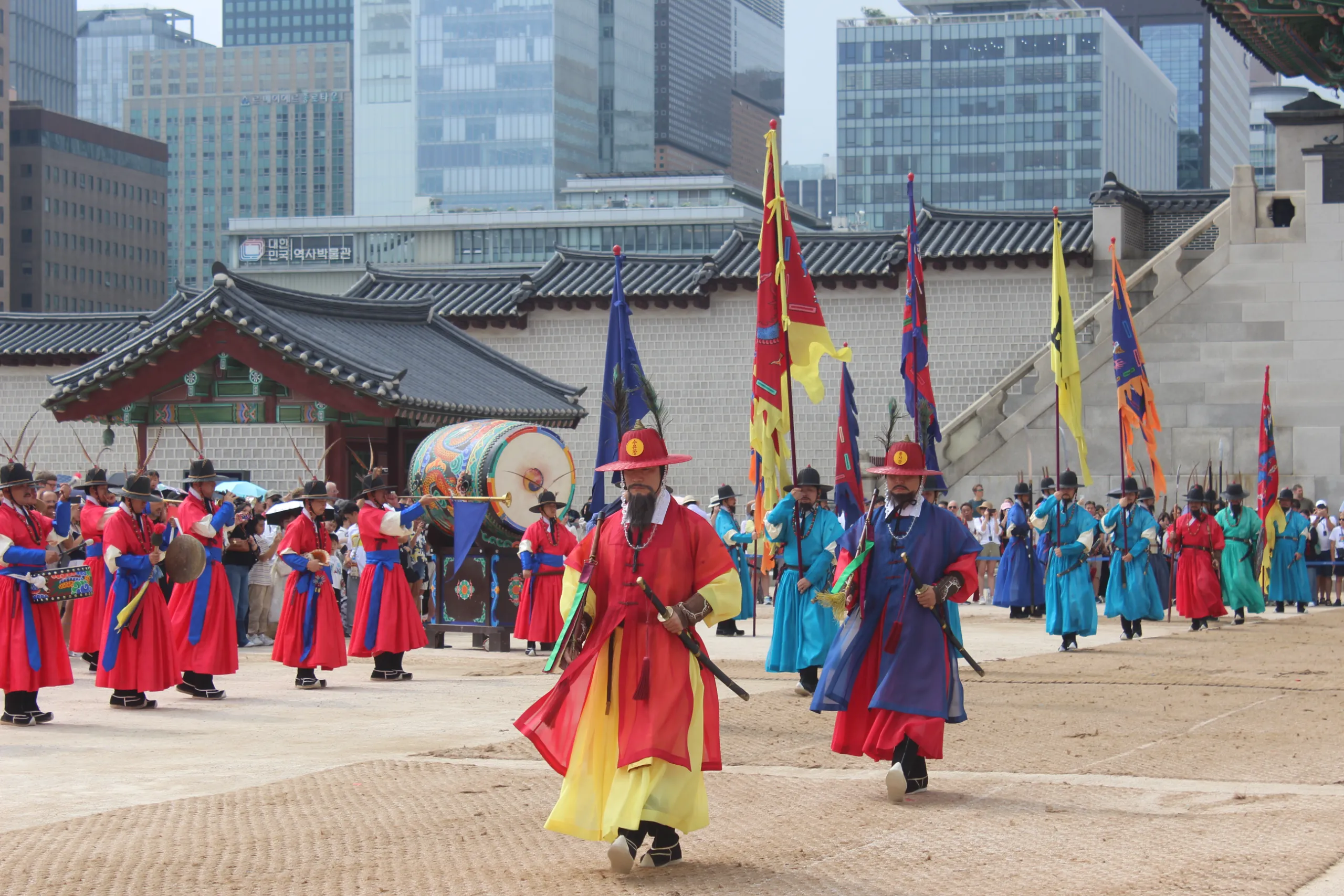
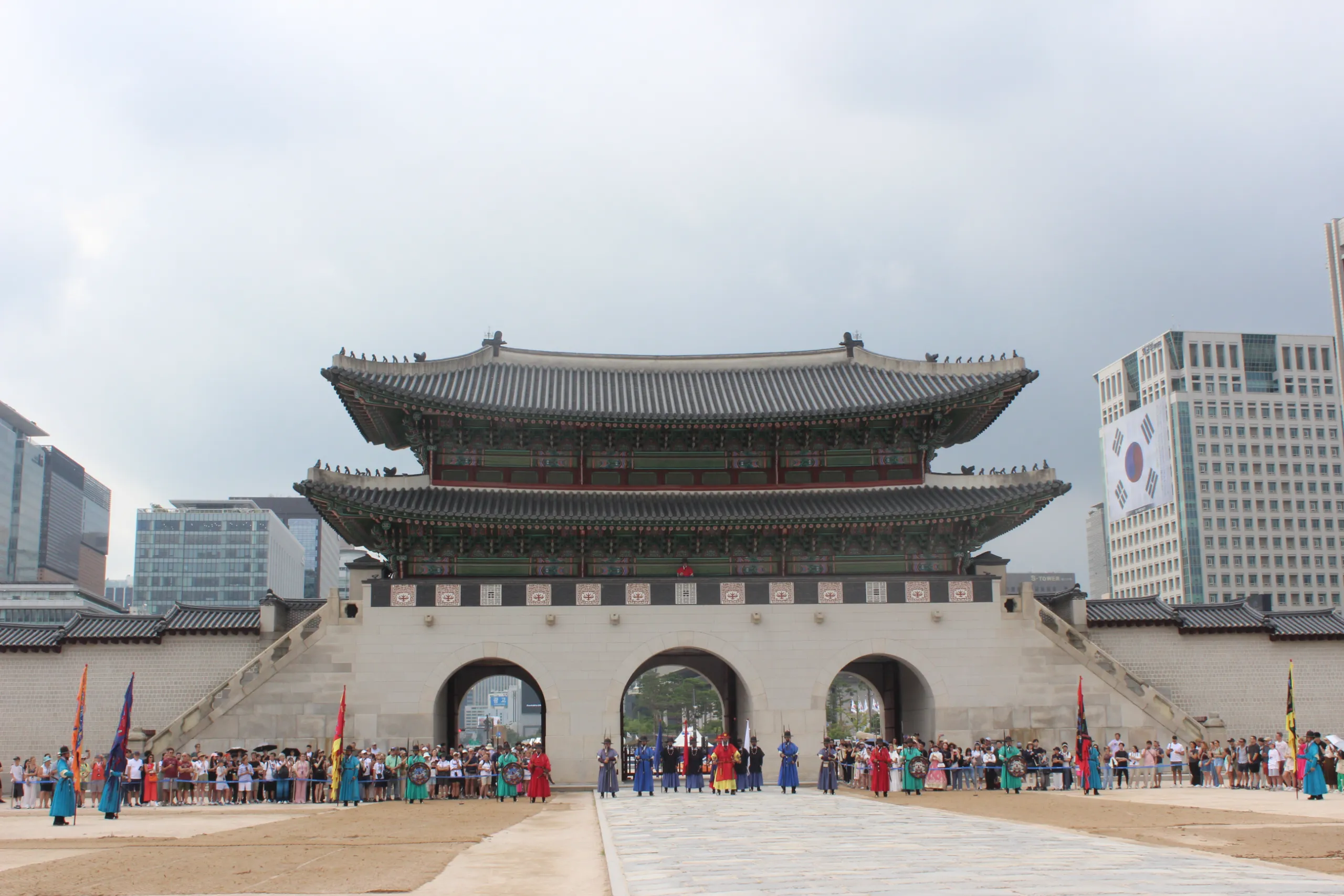
- Changing of the guards ceremony: Experience royal protocol in action. (*Subject to official palace event schedule)
- Buddhist traces and spaces: Discover traces of Buddhist influence in the palace even after Confucianism became the state ideology of Joseon.
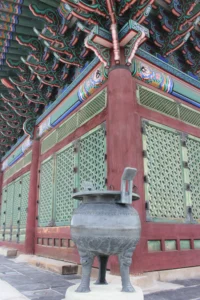
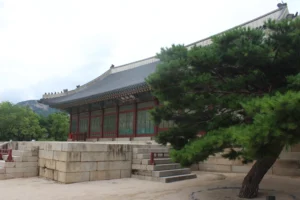
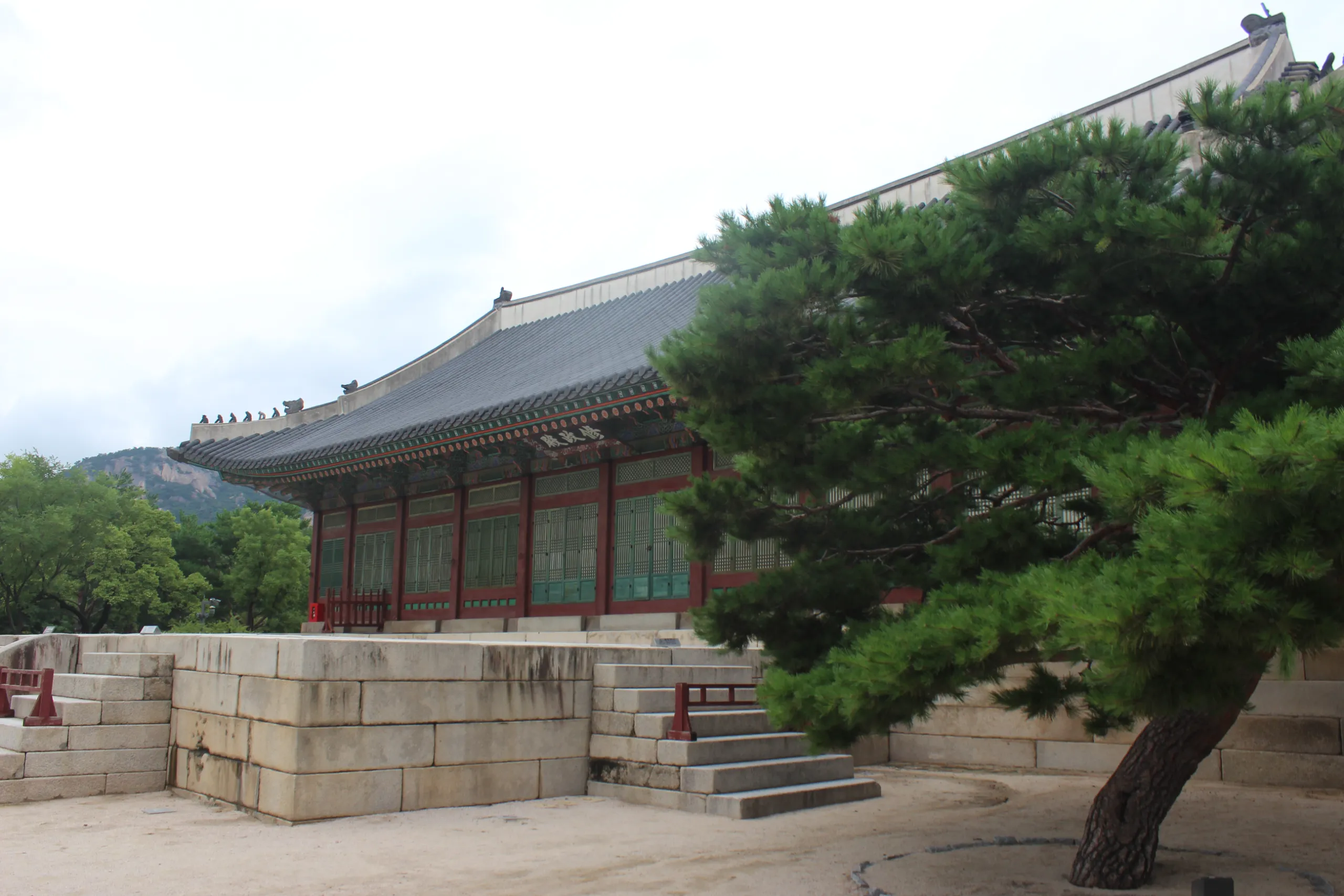
- Decoding the cosmic order: Geunjeongjeon was more than just the main throne hall of the king. Discover how it was a symbolic model of the universe.
- The origins of the Korean alphabet: Explore the story of hangeul in its historical setting.
- Contrasting view of nature: In the queen’s garden, compare and contrast how the East and West traditionally viewed nature and humanity’s place within it, and how these views shaped their spaces.
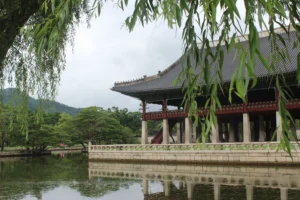
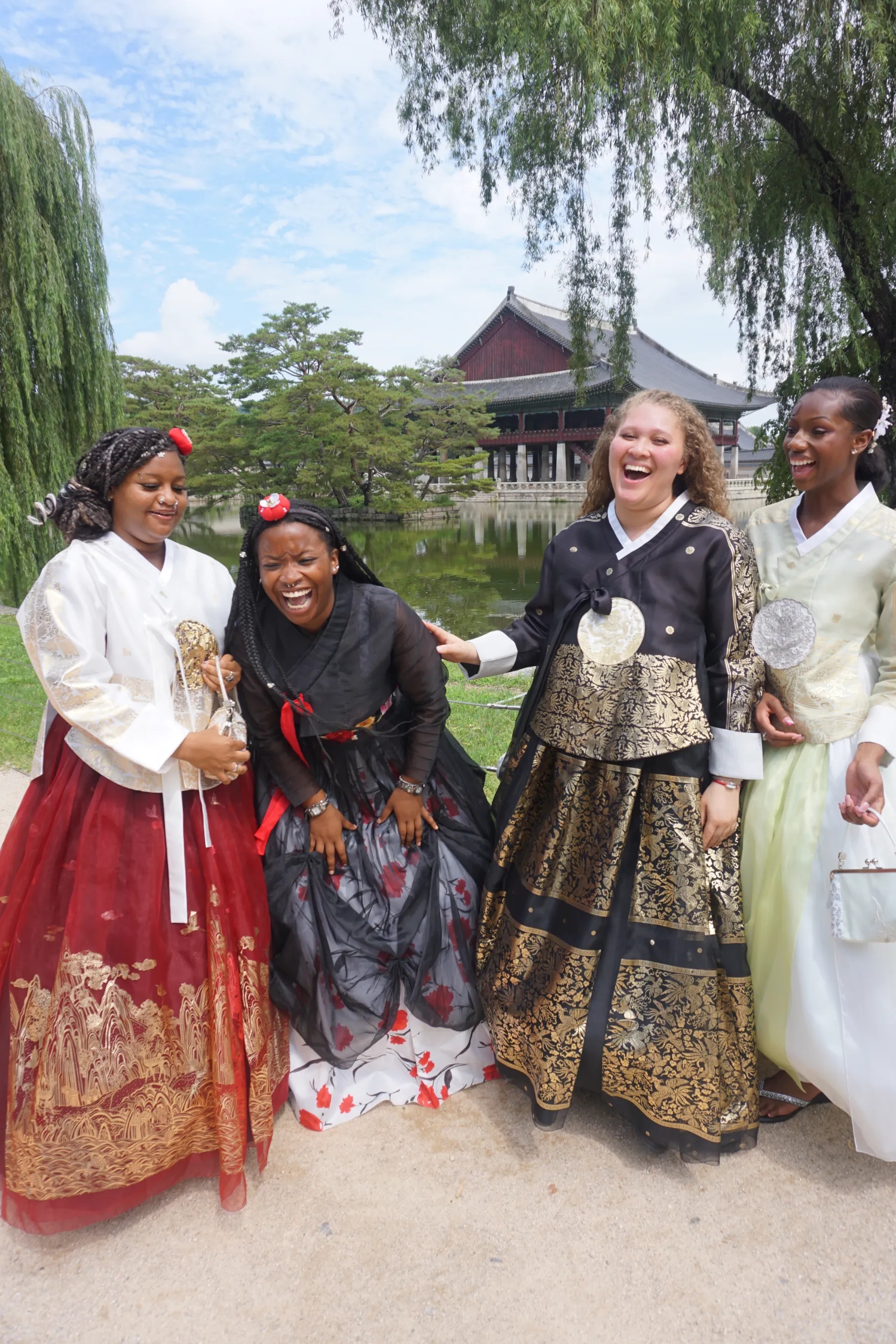
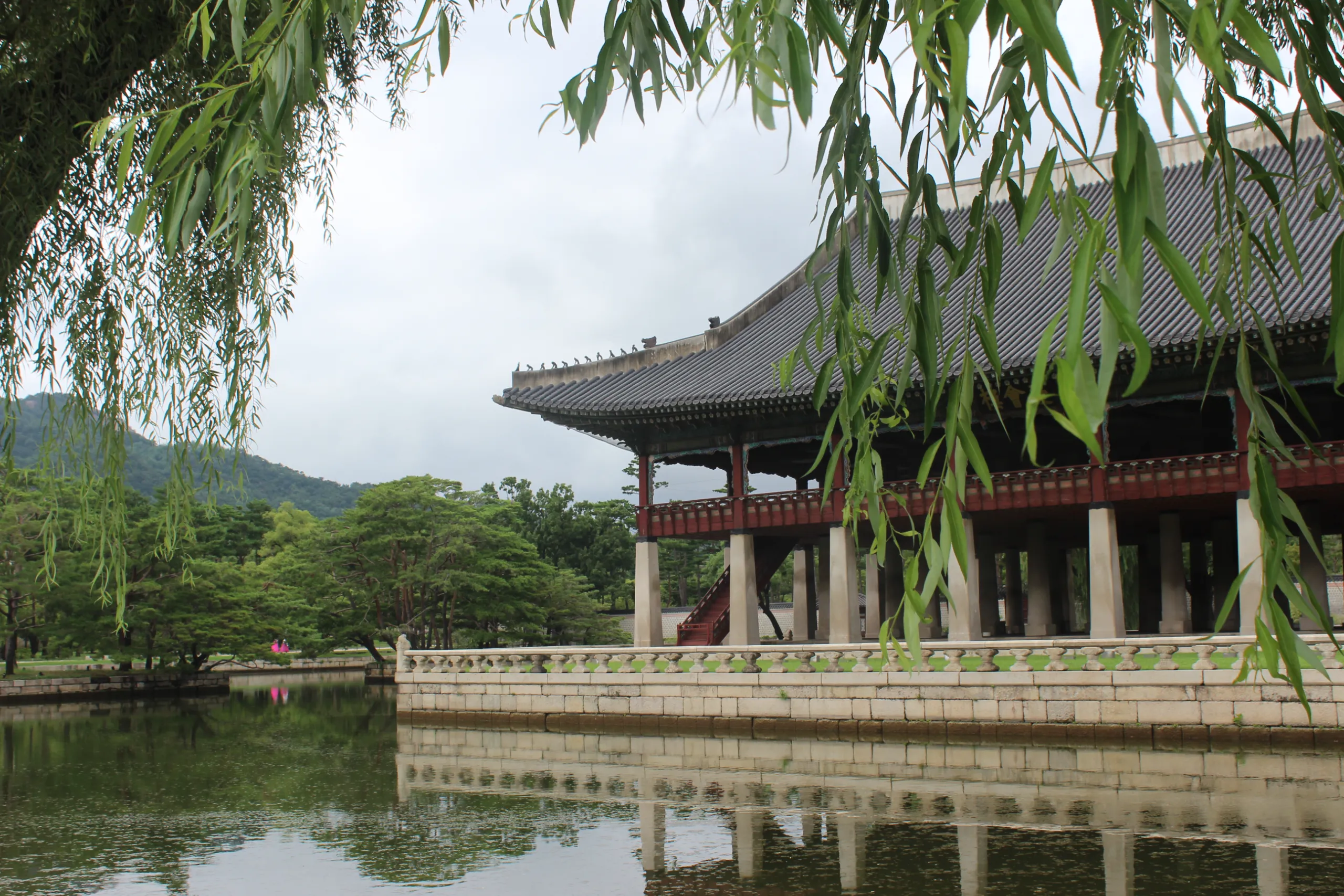
- Celebration as Confucian ritual: Discuss the stories of Gyeonghoeru, Joseon’s grand pavilion of ritual harmony and celebration.
- Any many more stories…
Inclusions
Exclusions
Reviews


Frequently Asked Questions (FAQs)
Where do we meet?
Our meeting point is by Exit 5 of Gyeongbokgung Station, in front of the front steps of the National Palace Museum. The guides’ contact information will be provided in advance, so please feel free to contact them if you have any trouble finding the meeting point.
Do I need to know anything about Korean history before joining?
Not at all. While this tour explores Korean philosophy and history, we’ll provide all the context you need to understand the palace and the stories they tell.
How much walking is involved?
This is an easy-paced indoor walking tour lasting at least 3 hours. Most guests will find it comfortable, with opportunities to pause throughout the experience.
Is this tour suitable for children?
This tour is designed primarily for adults with an interest in learning more about Korean history. While no prior knowledge is required, the experience includes thoughtful discussions of history, philosophy, religion, politics, etc. Younger children are welcome, but may find the content less engaging.